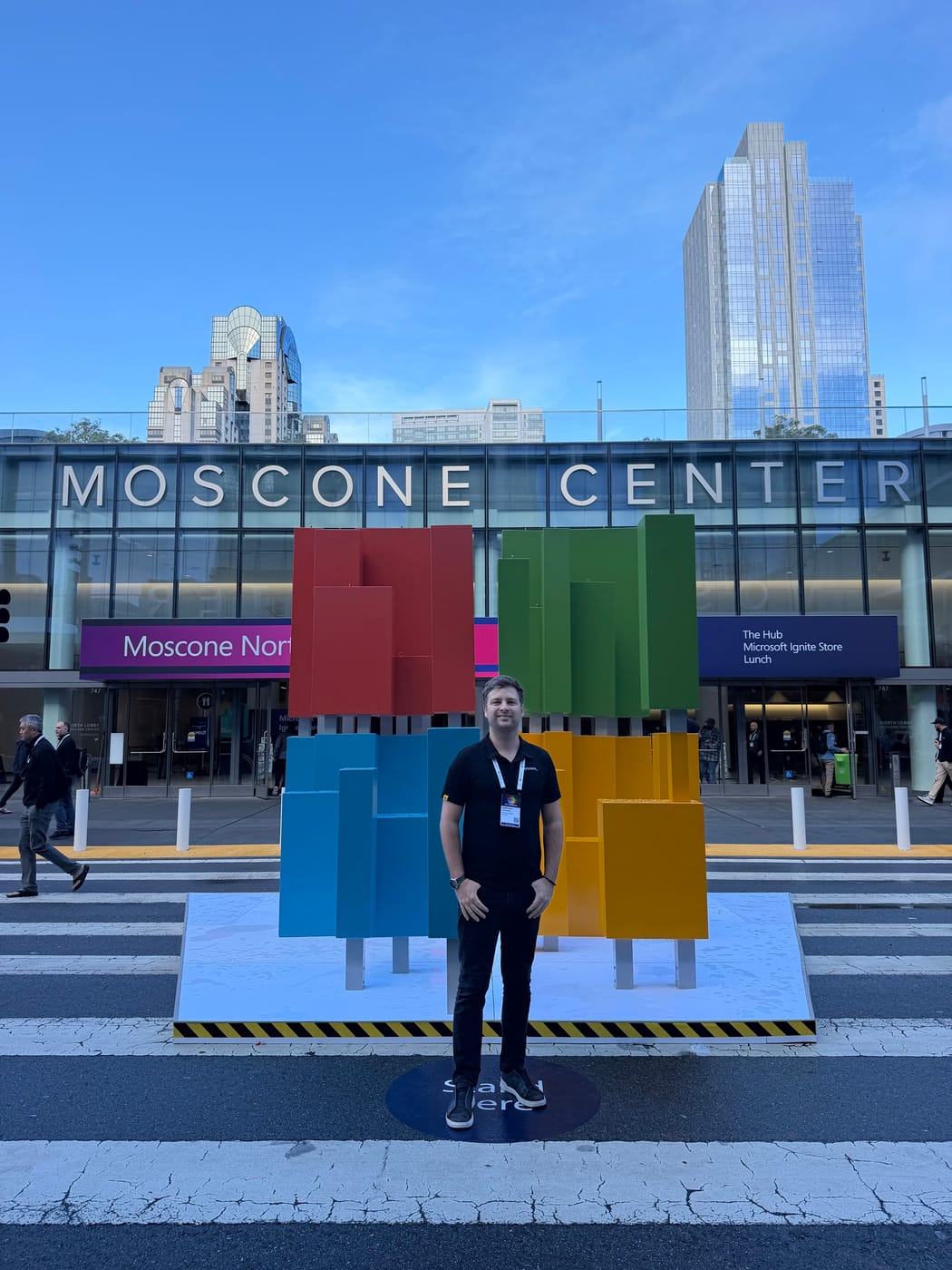
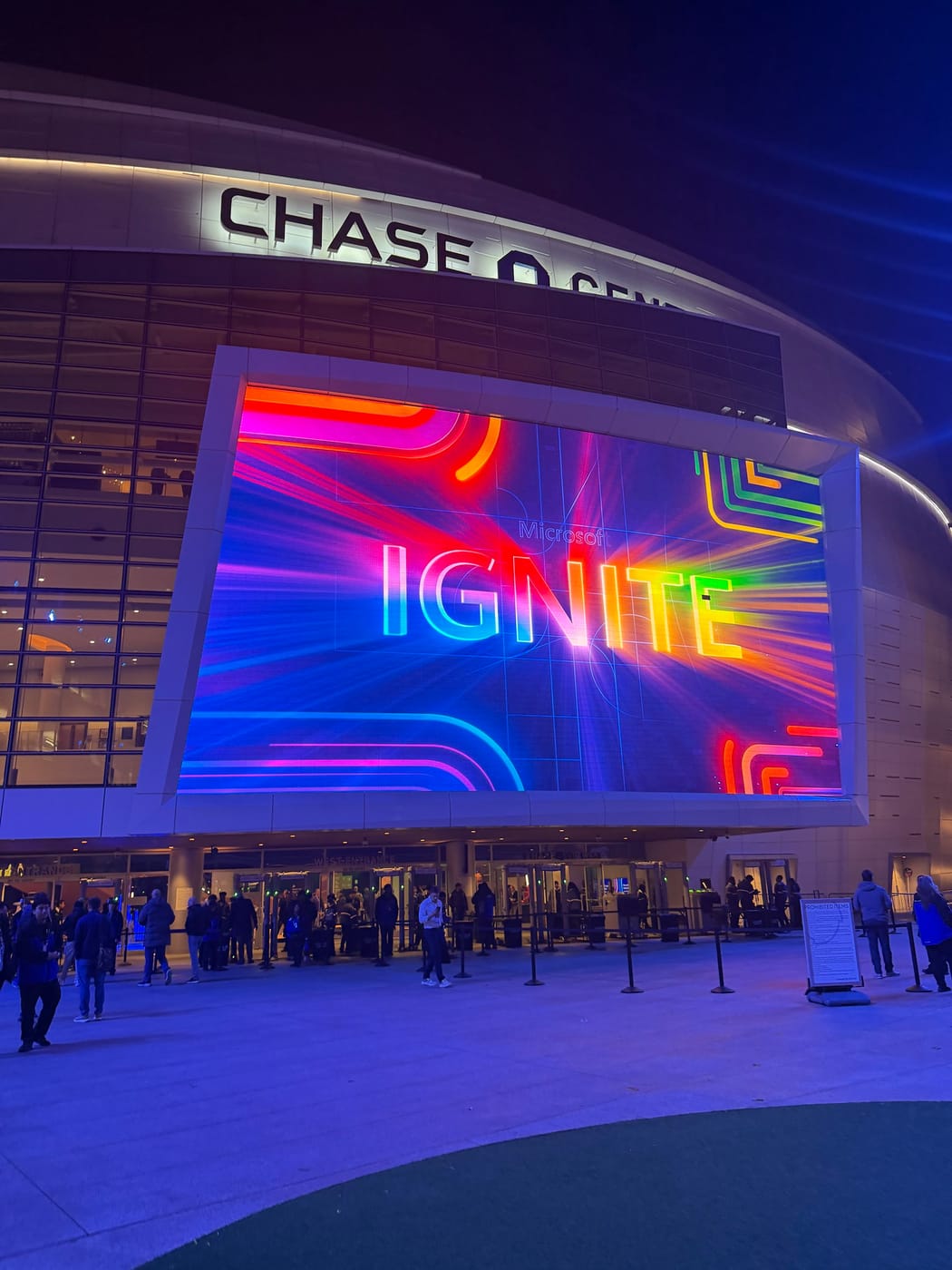
Microsoft Ignite ran from November 17 to 20 at Moscone Center in San Francisco, under the theme “Frontier unlocked.” I went as an attendee, to see where the Microsoft world is heading and to talk with the companies building on it.
Key takeaways
- 01Copilot is now pitched as the place where work happens, with AI agents that take on longer tasks, and its brand is moving away from the classic Microsoft look.
- 02Microsoft’s edge is distribution. Copilot arrives inside Microsoft 365, but ChatGPT and Claude still lead among the AI tools people choose on their own.
- 03The best demos were real use cases, from Formula 1 race strategy to airline scheduling and aircraft maintenance.
- 04The Microsoft Marketplace is a revenue channel for B2B companies: enterprise customers can buy through it, often with budget already committed to Microsoft.
- 05The rooms around the event mattered as much as the event, from The AI House by KPMG to GitHub’s headquarters.
It was also a week of heavy rain. On Wednesday, water came through the roof over parts of the expo floor and the hall closed until the next day. That same morning, a venue nearby sent out an email: “Moscone is flooded, come escape to The AI House!” San Francisco does not waste a marketing moment.
Copilot everywhere, and a little less “Microsoft”
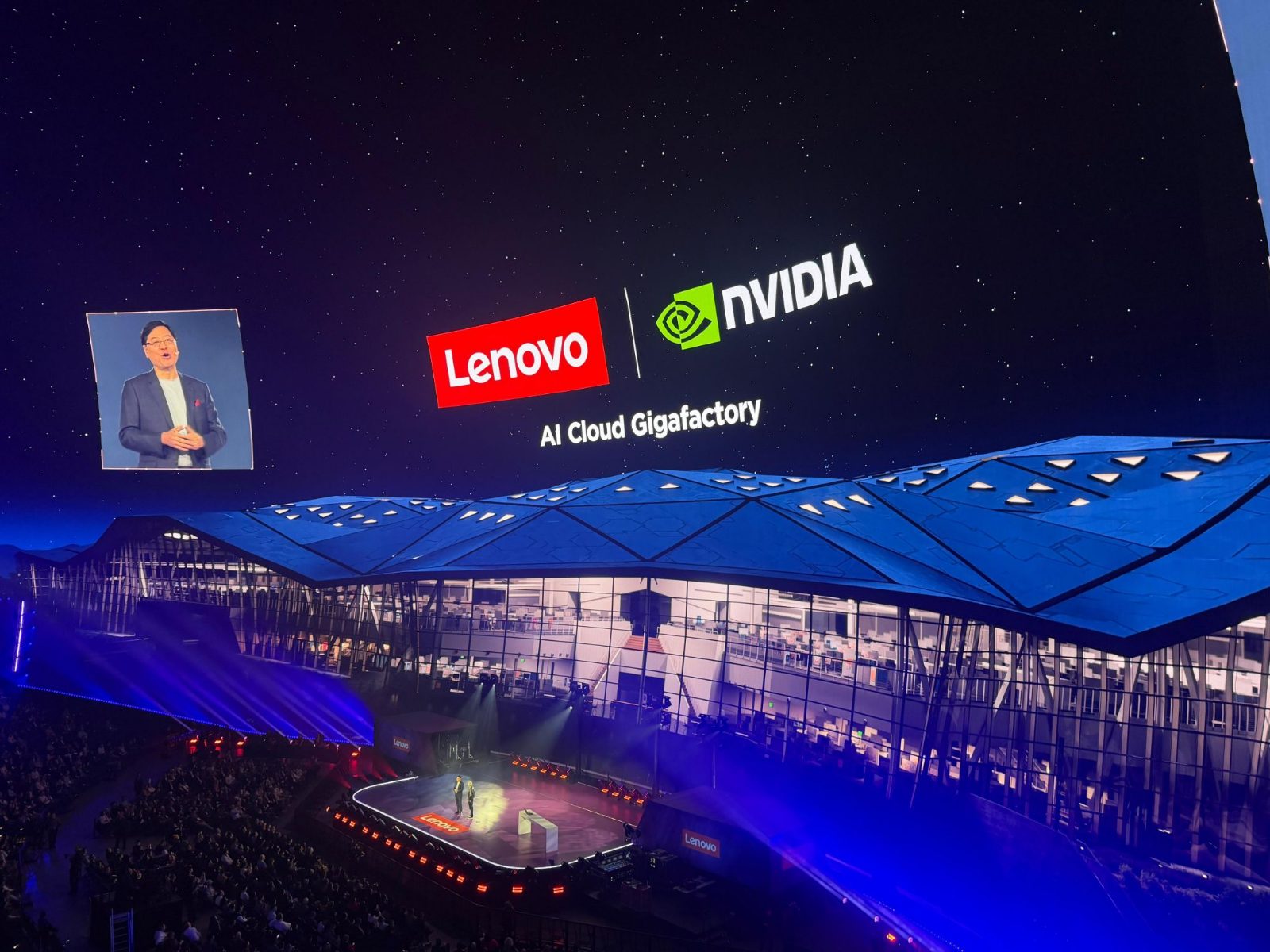
Satya Nadella opened the conference, and the message from the keynote stage was clear: Copilot is no longer pitched as an assistant on the side of your work, but as the place where work happens, with agents that can take on longer tasks by themselves.
What caught my attention was the look. Copilot now has a softer visual identity, with pastel tones and a brand that stands more and more on its own, apart from the classic Microsoft look. Microsoft AI, the in-house group behind the MAI models, has its own identity too. It feels deliberate, as if Microsoft wants its AI to be seen as something new rather than as one more piece of enterprise software.
There is a reason to try. Microsoft has unmatched distribution: so many companies run on Microsoft 365 that Copilot arrives inside the tools they already pay for. But by most accounts, ChatGPT and Claude are still the AI tools people choose to open on their own. Much of what Copilot is doing across Word, Excel, Outlook and Teams is the same race Google is running with Gemini in Workspace. The winner will be whoever makes AI part of the daily habit, not just part of the license.
AI you could actually see working
The best part of Ignite was not the announcements. It was the customers showing what AI does for them today, in ways you could try yourself.
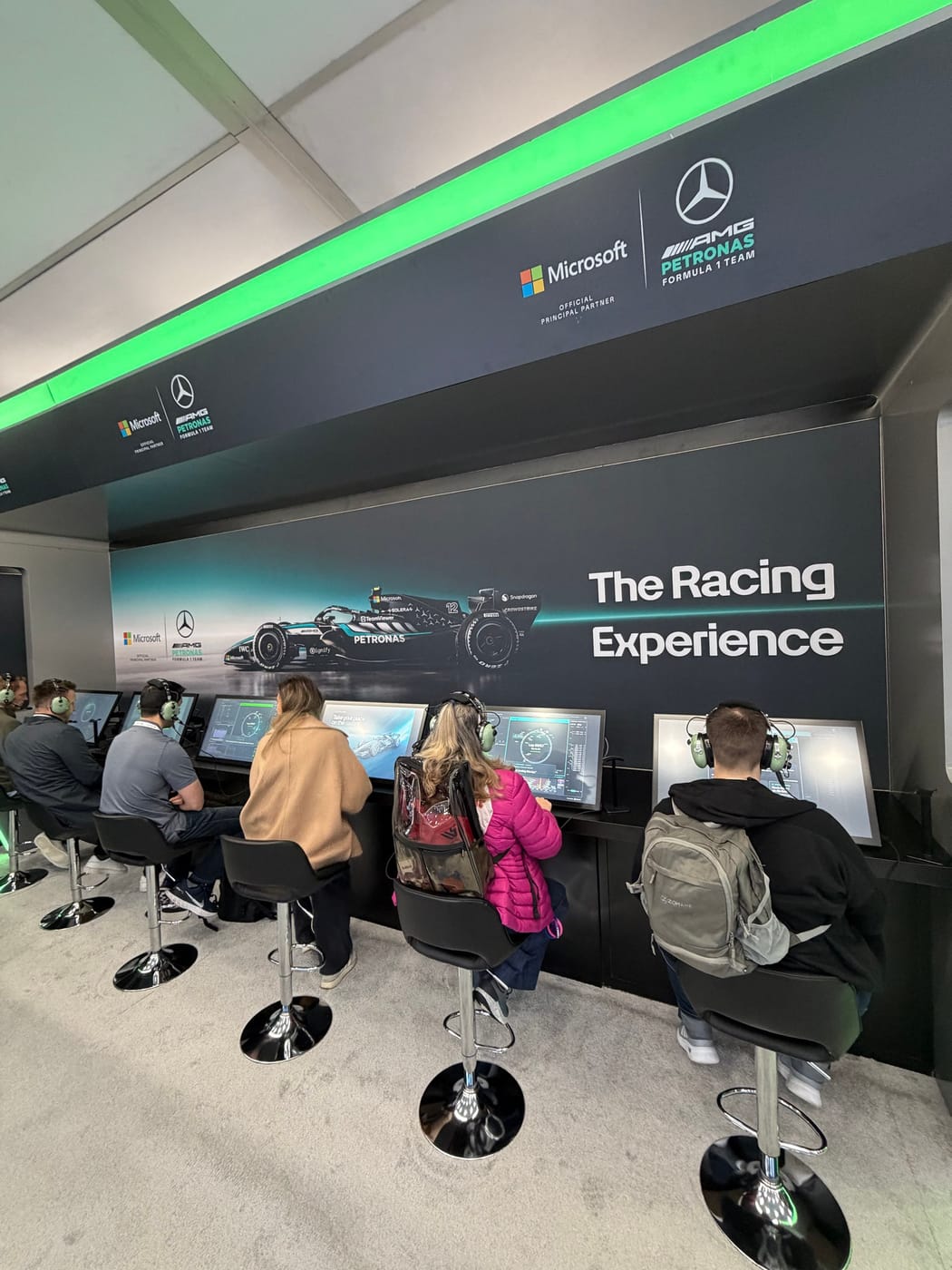
At the Mercedes-AMG Petronas Formula 1 activation, you took a seat on the pit wall. With AI and race data in front of you, you picked tires and strategy for a race, and then saw your calls compared with what the real team decided. The NFL had a similar experience from the coach’s and analyst’s chair: watch the game unfold and make the calls with data at your side.
The examples outside sports were just as concrete:
- 01Alaska Airlines walked me through how they use AI to plan flight schedules and keep passengers from sitting in delayed planes, and how Copilot helps standardize the codes in aircraft maintenance logs.
- 02GSK showed how AI is helping them find new ways to discover medicines.
- 03Banks and fintechs talked about using AI to optimize their own systems and operations.
- 04Paralympic tennis: a demo tracked every ball in a match to map each player’s strengths and weaknesses, for the same match or the next one.
This is AI with a job to do, measured on performance, not AI for its own sake. That shift was the most useful thing I brought home.
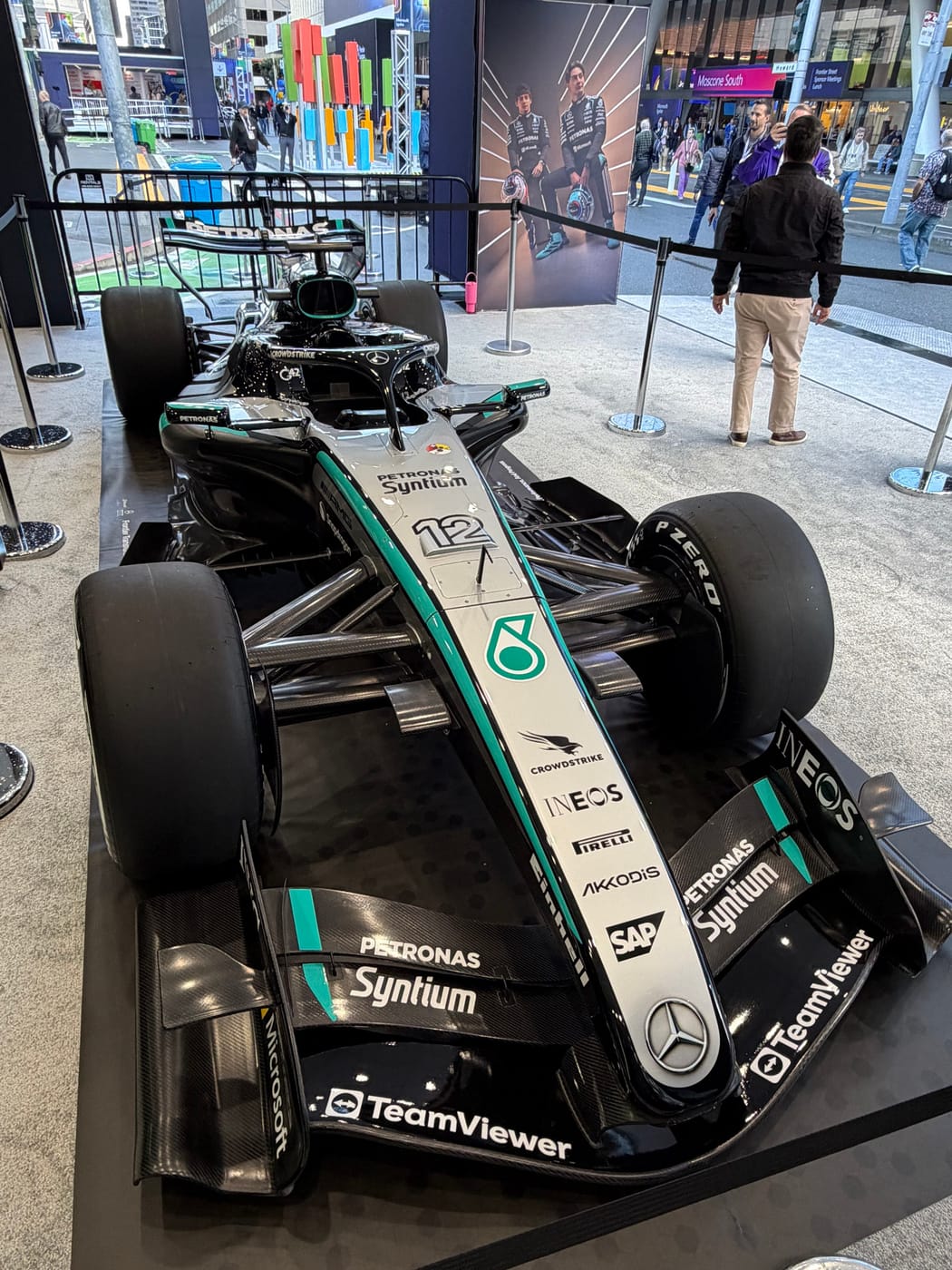
One personal note. Watching sport turn into high-tech analytics, I kept thinking about how much of the human side we are engineering away. The same is true in SailGP: the very top of the sport is now computers and data. There is nothing wrong with that, and with this much money at stake it makes sense. But part of what made sport exciting was human judgment, and human error. Data improves the odds of a good call; it does not guarantee the result. Someone still has to make the call.
Familiar names, new bets
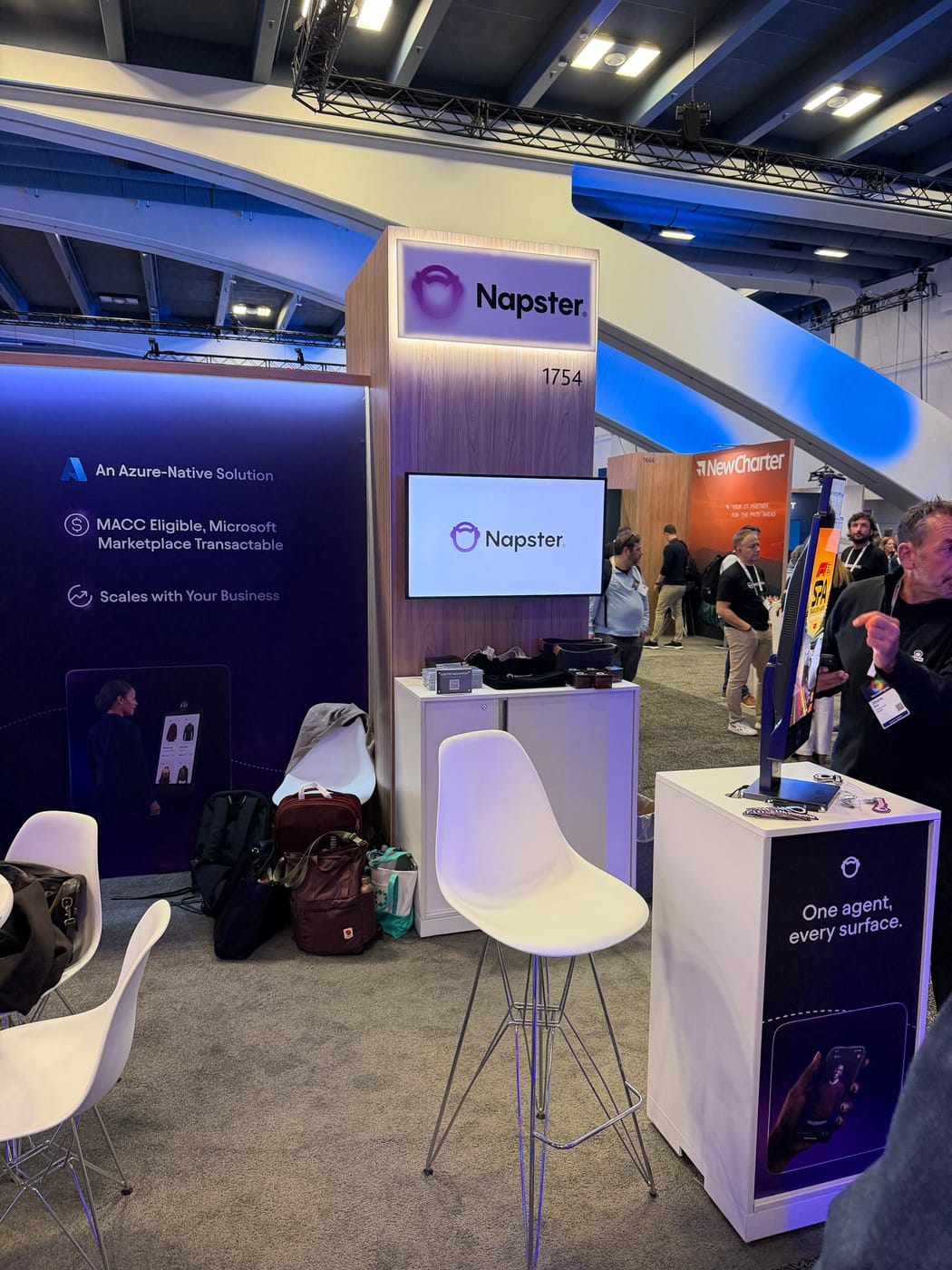
The most surprising booth was Napster. Many younger attendees would not recognize the name, but more than twenty years ago Napster changed how the world shared music. In 2025 it was acquired by Infinite Reality, which then renamed itself Napster, and today the focus is AI avatars: agents you can talk to, with a realistic voice and face, on any screen. Their booth line was “One agent, every surface.” They also showed work they had done for a Grand Prix event.
I also spoke with Replit, which is pushing hard into the enterprise. Vibe coding started as a way for anyone to build a quick prototype; Replit is now working with companies and partners to take those MVPs all the way to production. It is one of the most interesting moves in the space beyond the AI labs themselves.
Around the conference
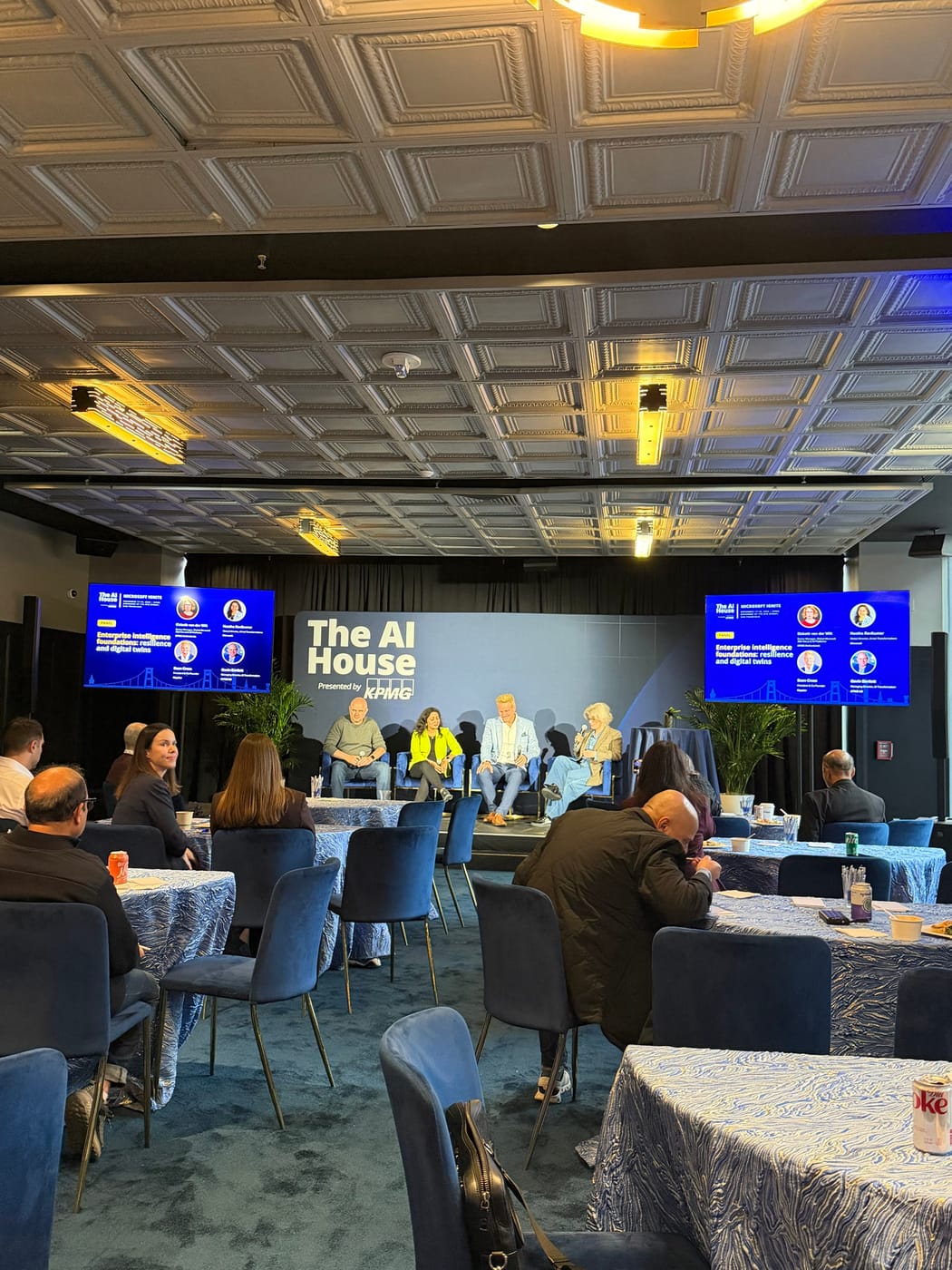
Some of the best conversations happened outside Moscone. KPMG hosted The AI House at the KPMG Exchange, steps from the convention center, with panels such as “Enterprise intelligence foundations: resilience and digital twins” and a quieter room to meet people.
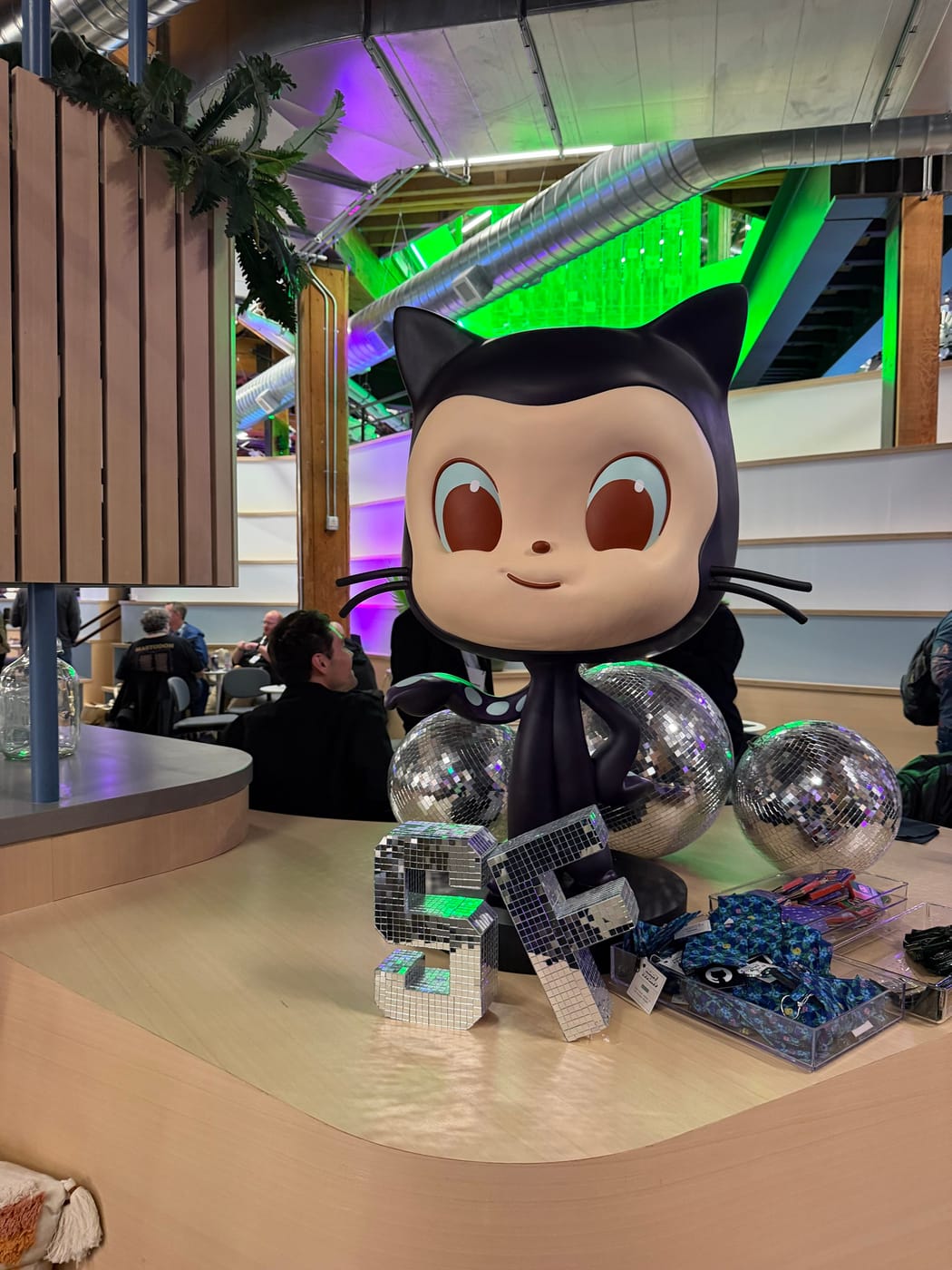
One evening I went to GitHub’s headquarters for a social hour with builders. It was a relaxed setting to see what people are making and to understand how GitHub fits into the wider Microsoft ecosystem. Attendees brought the electronic badges from GitHub’s own conference to hack them, others built keyboards, and Mona, the GitHub mascot, held court among the disco balls.
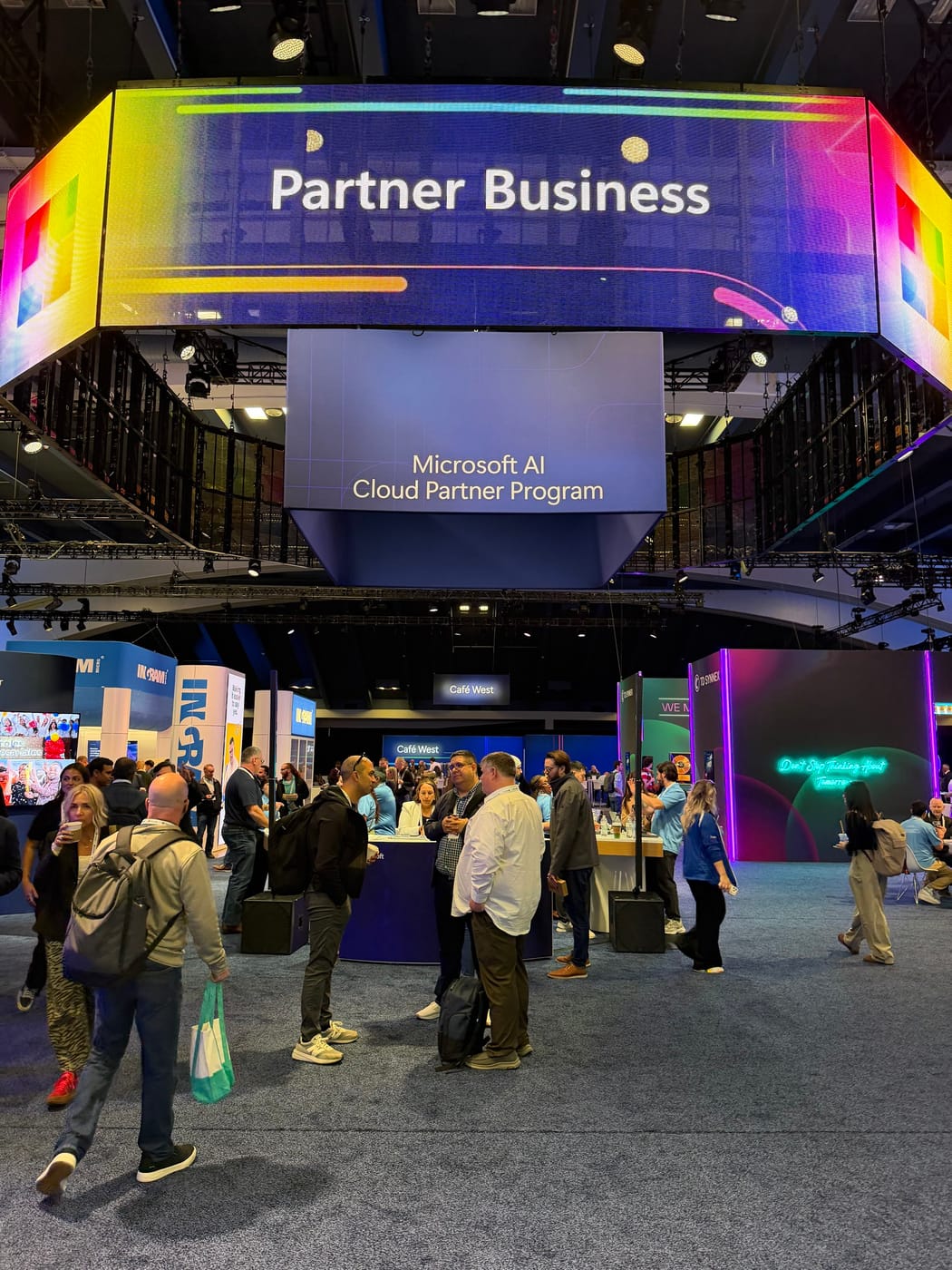
Back at Moscone, the Partner Business area around the Microsoft AI Cloud Partner Program was one of the busiest spaces of the week. It was the best place to meet potential partners and hear how other companies are building their businesses around Microsoft.
The Microsoft Marketplace as a revenue channel
For B2B software and AI companies, the most practical lesson of the week was on the expo floor, not the keynote stage. Booth after booth, Napster’s included, carried the same line: “MACC eligible, Microsoft Marketplace transactable.” Here is why that matters for revenue:
- 01Customers can spend budget they already have. Many large companies sign a Microsoft Azure Consumption Commitment (MACC), a promise to spend a set amount with Microsoft. When your solution is on the Microsoft Marketplace and eligible for co-sell, buying it can count toward that commitment, so it does not have to compete for new budget.
- 02Procurement gets shorter. The customer buys through a vendor it already has a contract with, instead of onboarding a new supplier from scratch. Private offers let you set custom pricing and terms for each deal.
- 03Microsoft’s sellers and partners can sell for you. Co-sell programs put your solution in front of Microsoft’s account teams, and multiparty private offers let resellers and consulting partners sell it while the deal still counts toward the customer’s commitment.
- 04It signals credibility. For a company new to the US, being Azure-native and on the Marketplace tells an enterprise buyer that you already fit into how it works.
None of this is automatic: you need to build on or integrate with Azure, publish the offer and earn co-sell status. But for a Latin American company selling to US enterprises, it can open doors that would otherwise take years of relationship building.
What it means for companies entering the US
- 01Your US enterprise customer probably runs on Microsoft. Plan how your product fits into that world, and treat the Microsoft Marketplace as a sales channel from day one, not an afterthought.
- 02Show the use case, not the technology. The booths with crowds were the ones where you could see a result: a faster schedule, a cleaner maintenance log, a better race strategy.
- 03The rooms around the event matter as much as the event. The AI House, GitHub and the side events were where the conversations got specific.
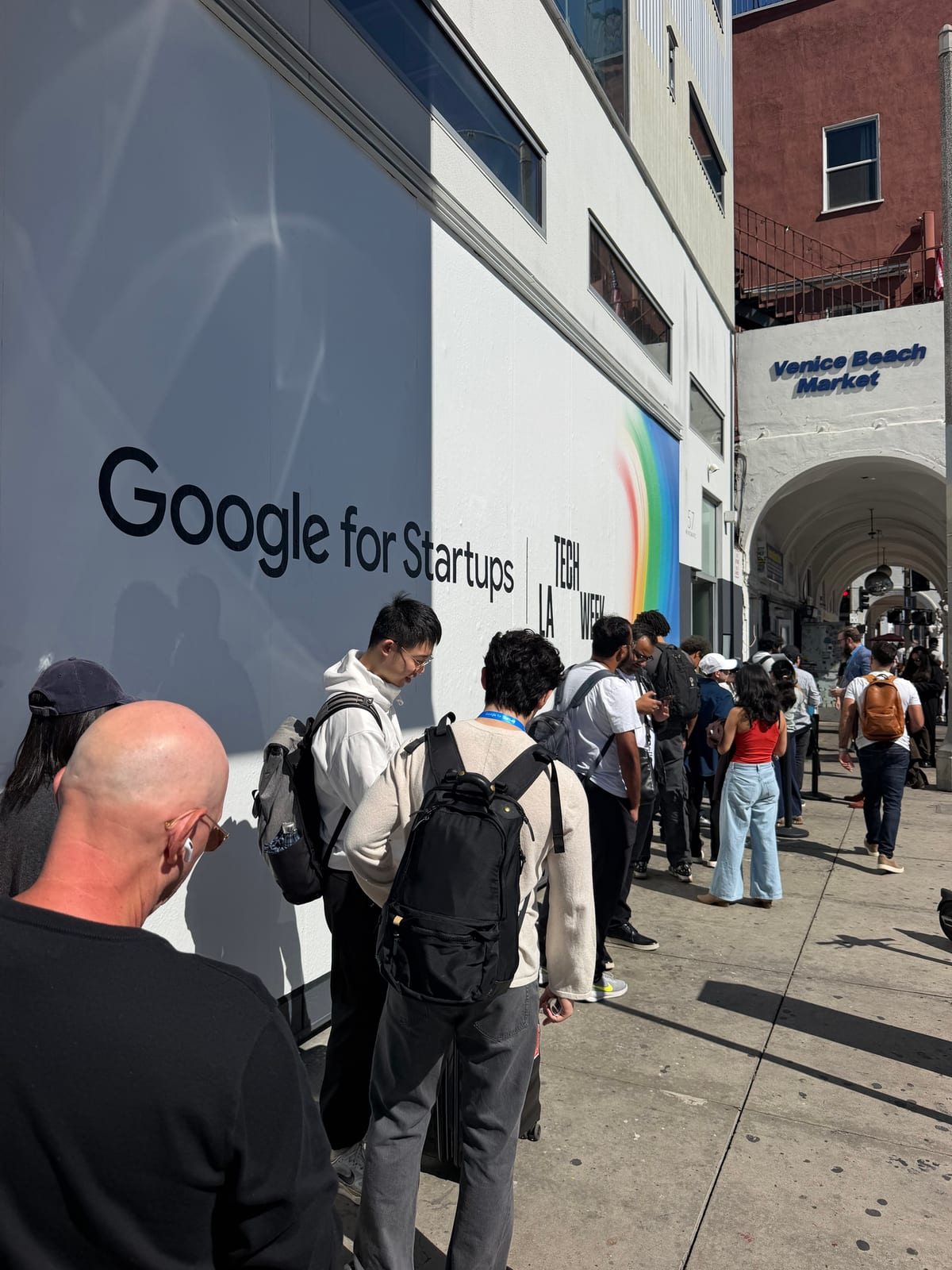
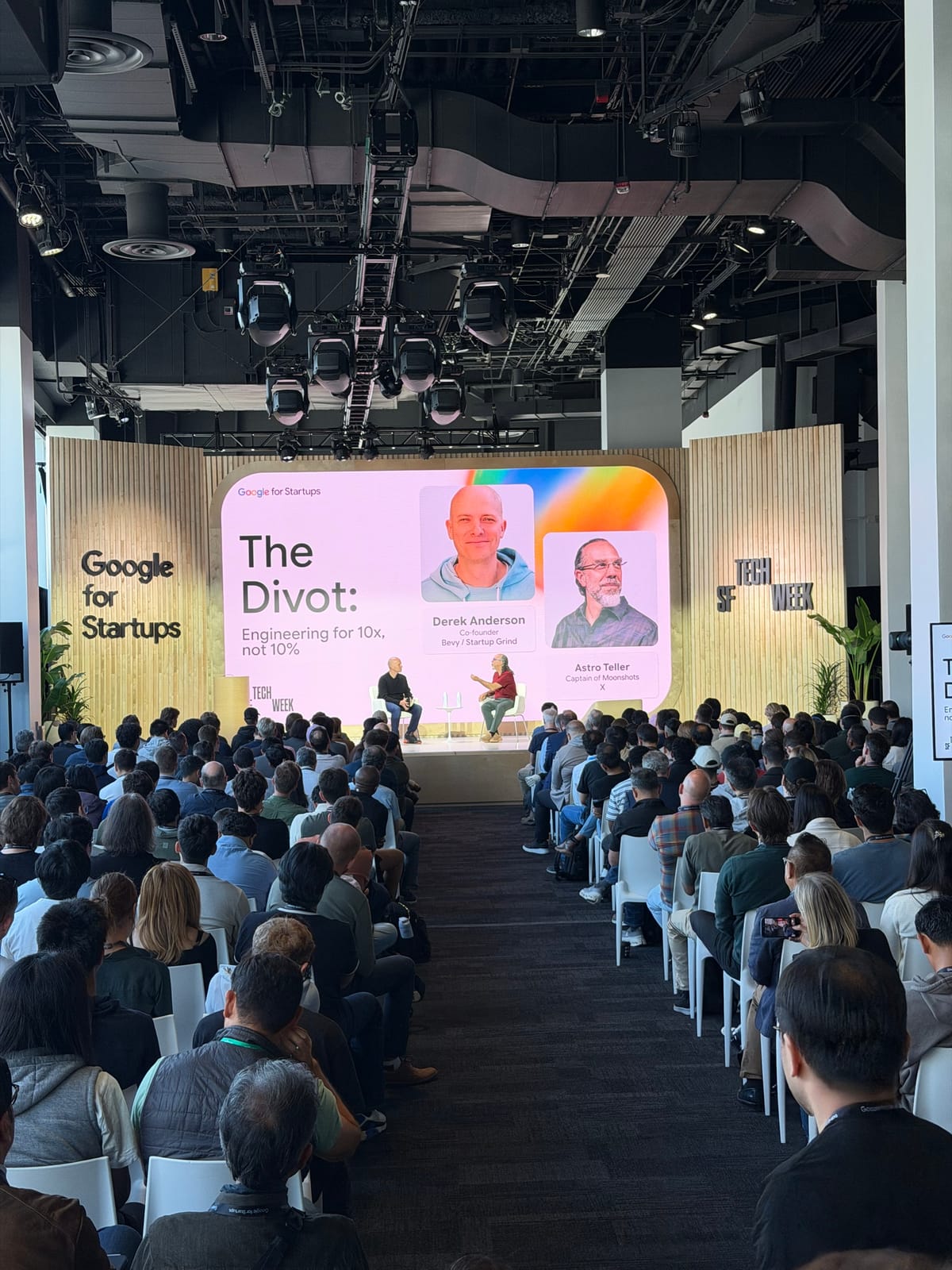
Ignite confirmed what I have seen all year, from SF Tech Week to LA Tech Week: the AI conversation has moved from what the technology can do to what it is doing for companies like yours.
If you are planning your own move into the US market, our two-minute US readiness check shows where you stand, and the interactive US market map shows which states are strongest for what you sell.
Get new Insights by email
One email when a new article is published, on US market entry, growth strategy, AI and fintech. No spam; unsubscribe anytime.