CES is always a reminder of the scale and velocity of this industry. Thousands of companies and technologies in one place, signaling how fast enterprise priorities are changing. This year the theme was clear from day one: AI has moved from experimentation to execution, with usability, deployment, governance and measurable business outcomes in focus.
Day one: infrastructure is the engine
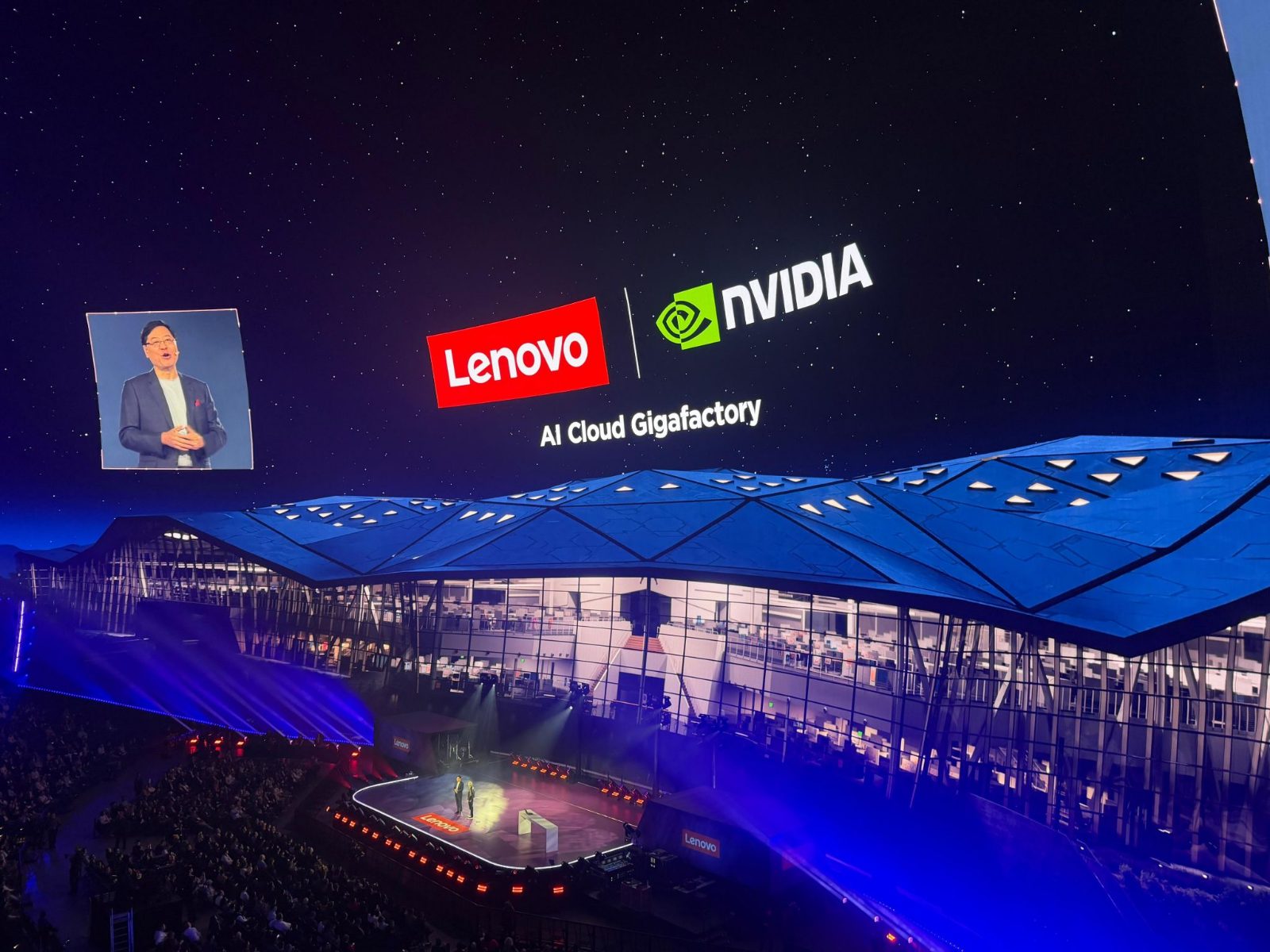
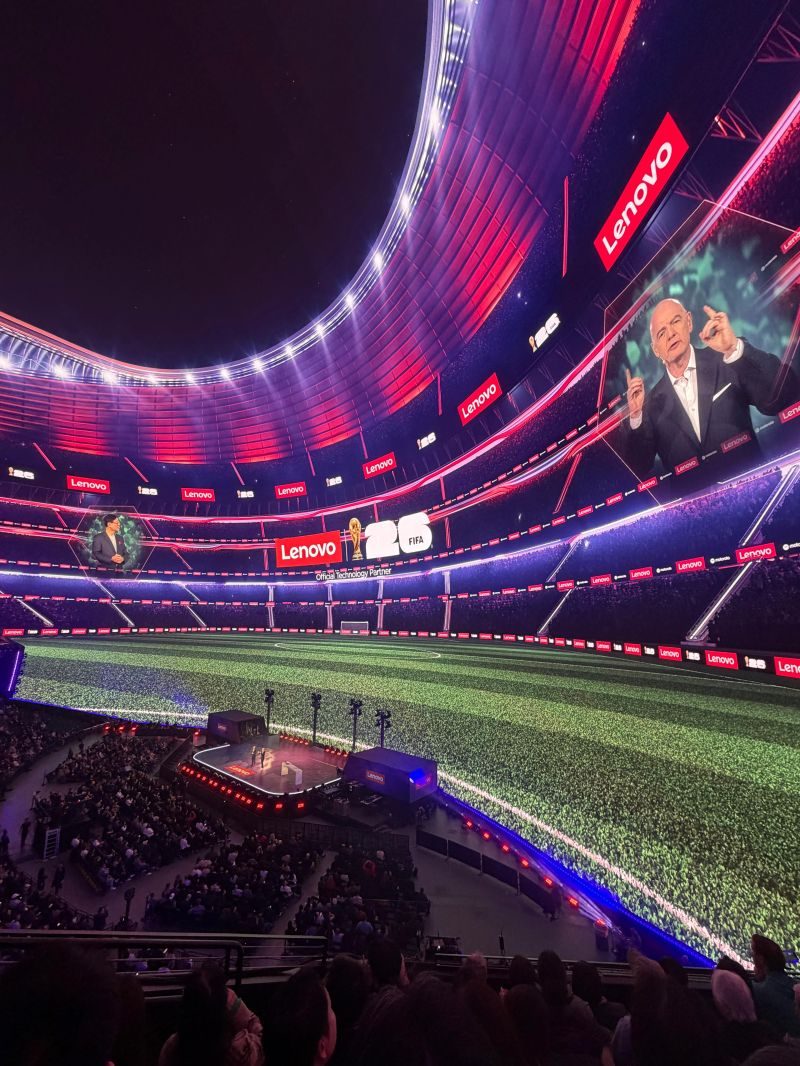
The highlight was Lenovo’s Tech World keynote at the Sphere in Las Vegas. The core message: the future of AI is hybrid. Workloads move across cloud, data center and edge, running wherever they deliver the most value.
AI without infrastructure is like an F1 car without an engine: impressive, but going nowhere.
Lenovo showed its Qira AI platform working across PCs, smartphones and tablets, AI-native laptops and Motorola phones with intelligence at the endpoint, and hybrid AI infrastructure powering real-time inference for partners like FIFA and Formula 1. It also announced an AI Cloud Gigafactory partnership with NVIDIA, with NVIDIA, AMD, Intel and Qualcomm on stage to show how hardware and software integration moves AI into production.
Day two: innovation from the edges
We spent day two on the show floor, intentionally skipping the big names to focus on smaller companies and early-stage products. A recurring theme: AI is becoming personal, physical and experiential. Not just software running in the background, but intelligence built into devices that interact, adapt and learn in human environments.
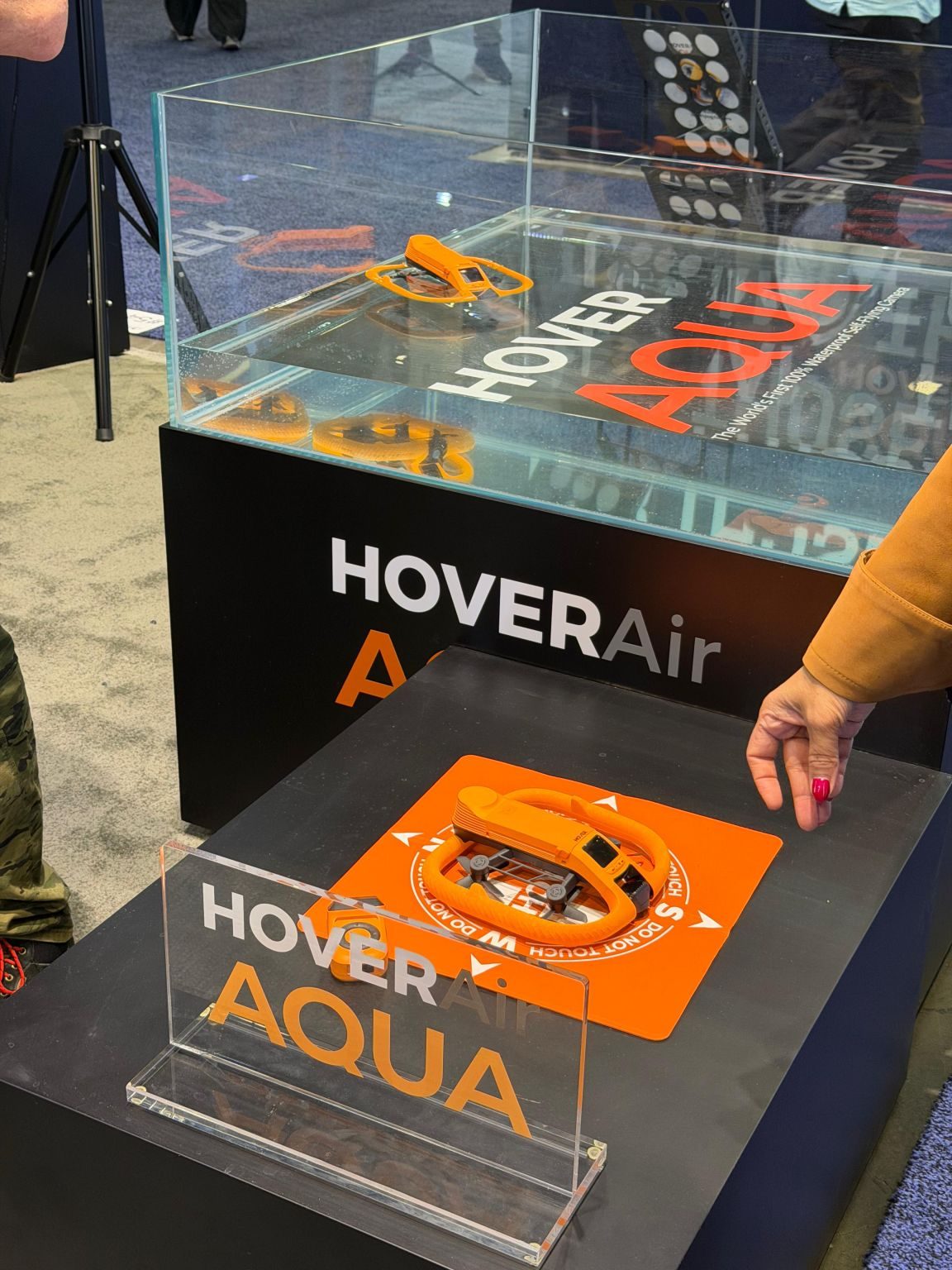
Ollobot presented an AI companion robot designed to strengthen family bonds. HOVERAir showed compact aerial and aquatic drones that use vision to follow users autonomously, a live demonstration of how far real-time perception and edge AI have come. XOrigin AI walked us through its AIPI platform, packaging modular intelligence in a way that is accessible and still technically robust.
Smaller teams are moving fast, blending hardware, software and AI into cohesive experiences, and often thinking harder about real-world adoption than raw technical performance.
Day three: AI and robotics converge
Robotics took center stage across the main pavilions. SenseRobot had robots playing chess at a competitive level. XBot ran fully automated coffee and ice cream machines serving real, high-quality food. Unitree’s G1 humanoid boxed with a human. LG’s CLOiD showed how household service robots are getting closer to everyday use, and Sony Honda Mobility’s AFEELA 1 was a reminder that cars are becoming software platforms on wheels.
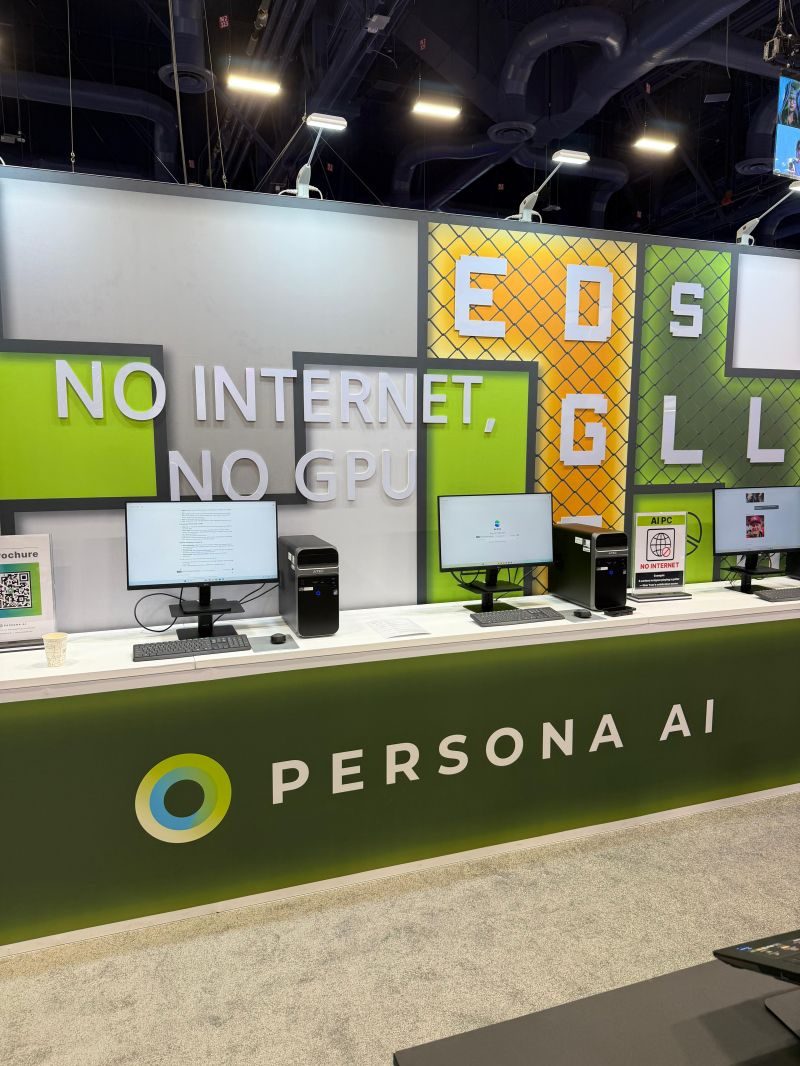
The most relevant conversation for business came from Persona AI, a Korean startup running an AI system fully offline, with no internet connection and no GPU. For enterprises handling sensitive or regulated data, that opens the door to private deployments where data never leaves the premises and operating costs drop significantly.
The takeaway
AI and robotics are no longer evolving in parallel. They are evolving together, and the question has shifted from what AI can do to how to operate it. Hybrid strategy, architecture and expert teams are becoming the deciding factors in who gets real business impact.