The future of technology is deeply uncertain, and that uncertainty is exactly where the greatest opportunity for growth lives.
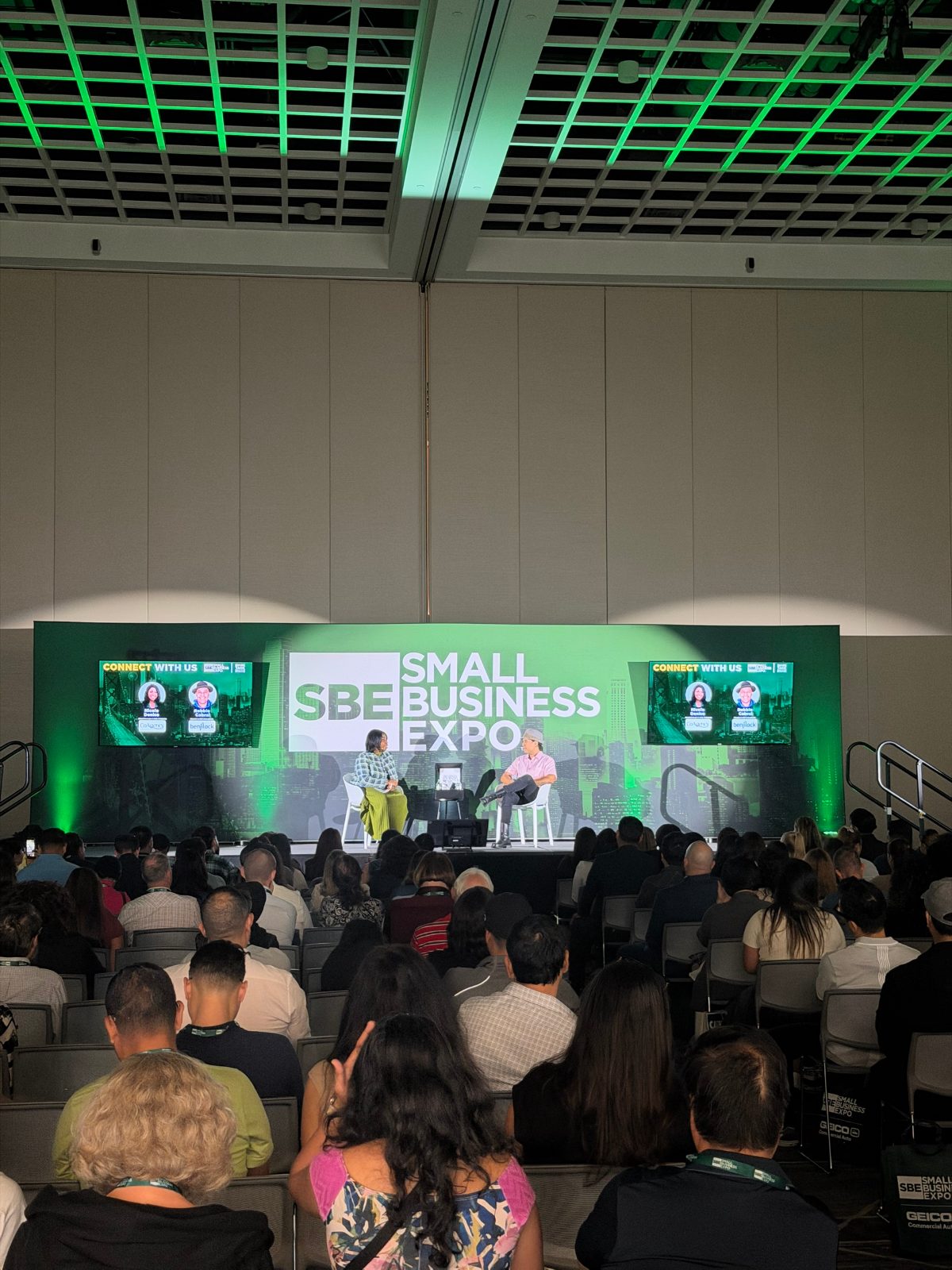
That was the most consistent theme from two months of conversations with technology leaders across North America: CIOs, CTOs, founders, investors and operators, across multiple cities, industry conferences and executive summits. This is not just a moment of change. It is the most complex and exciting convergence since the dot-com era, driven by the acceleration of AI and automation and the need to keep innovation human-centered.
AI governance and the orchestrator role
At the Midsize Enterprise Summit in San Antonio, IT leaders focused on the pressure, and the opportunity, to integrate AI into core enterprise platforms. The consensus was clear: AI’s lasting impact depends on disciplined governance, trust and transparency. It cannot simply be plugged in. It has to be managed ethically and strategically.
This is reshaping the developer’s role, from writing code to orchestrating: steering architectural decisions, ensuring end-to-end reliability, and building ethical principles into the software itself.
For many organizations, legacy systems remain central to operations. That means real digital transformation is gradual. It calls for patience, long-term vision and careful planning, not a “big bang.”
Innovation is decentralizing
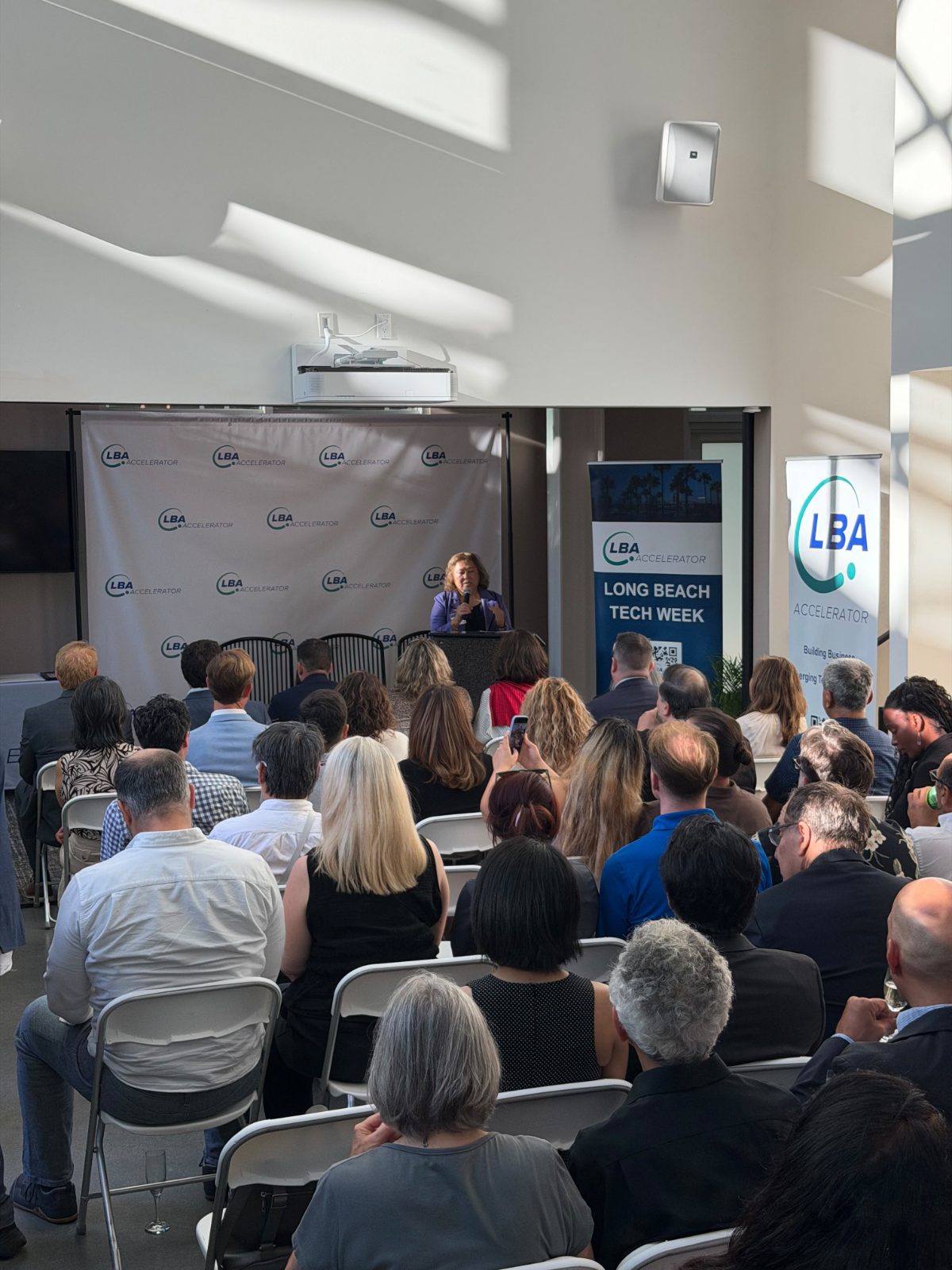
Silicon Valley still has enormous pull, but regional innovation hubs are rising across North America. Long Beach Tech Week was a good example: a city blending academia, startups and industry into an aerospace and space tech ecosystem, with ventures in satellite technology, advanced materials and sustainable aviation.
Ampaire, based in Long Beach, is developing hybrid-electric aircraft aimed at cutting fuel consumption by up to 90% and noise by 60%. Another startup is building microsatellite propulsion that could reduce launch costs by 40%. Strong local ecosystems can create outsized global impact, and they give founders a community to experiment, iterate and scale without the pressure of the traditional centers.
Scaling in the AI era: the human factor
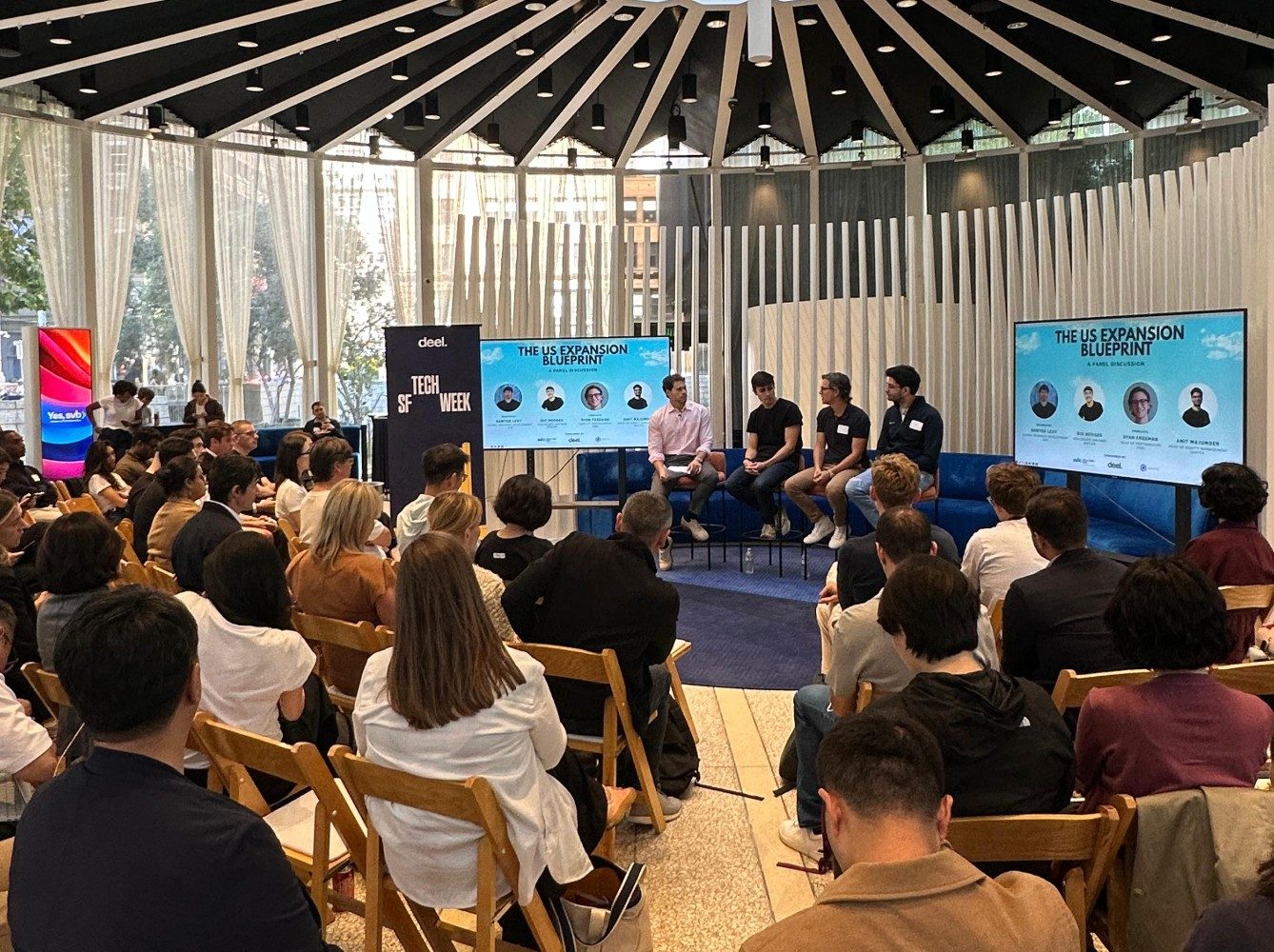
At San Francisco Tech Week, conversations with founders, investors and operators centered on scaling responsibly in the AI era. We saw platforms putting AI agents to work to automate workflows, improve productivity and free teams for higher-value work.
The lesson was consistent. AI optimizes tasks, but human judgment and leadership remain the deciding factors: the final layer of quality and strategic direction, even as AI reshapes every workflow beneath it.
At LA Tech Week we turned those ideas into a working session, hosting a breakfast for CIOs and CTOs to exchange strategies on scaling teams, integrating AI responsibly, and leading innovation that fits core business values.
Beyond technology is humanity
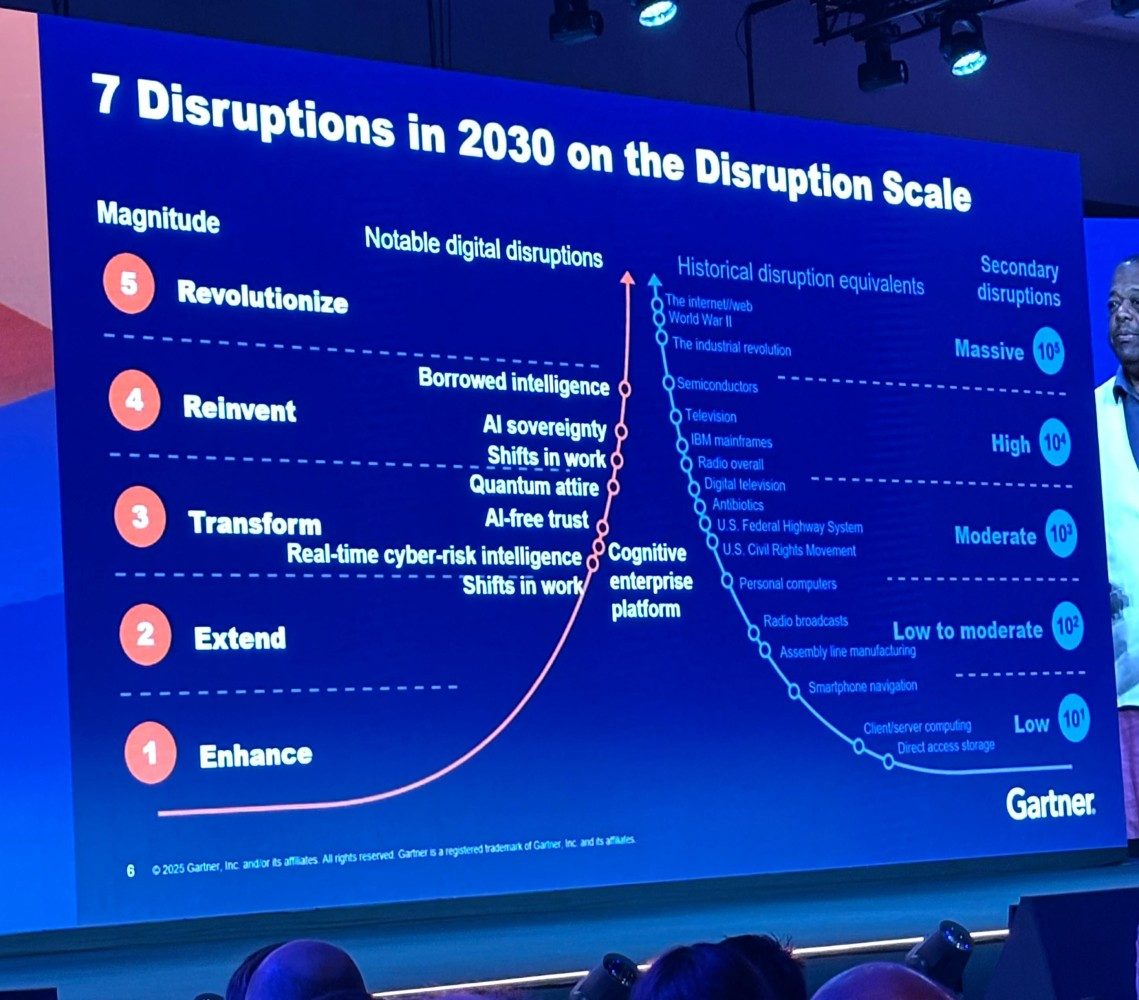
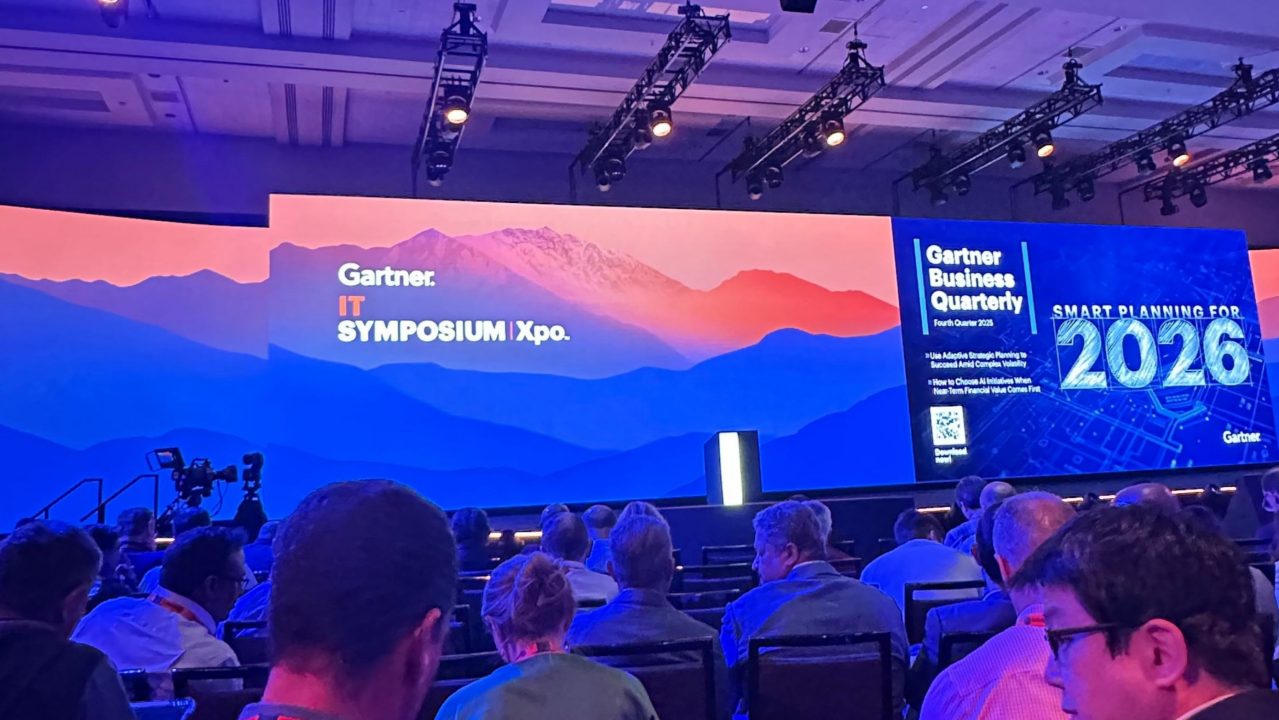
The Gartner IT Symposium/Xpo in Orlando gave a panoramic view of the forces ahead: the attention economy, new customer archetypes, AI sovereignty and autonomous business platforms. Daryl Plummer’s session, “Seven Disruptions You Might Not See Coming: 2025–2030,” was one of the most sobering and thought-provoking of the season.
Across every discussion, one message was clear: technology alone does not decide success or failure. The real advantage lies in human attributes. Trust, purpose, creativity and empathy will separate the organizations that thrive in the coming decades from those that merely adapt. Justin Wren’s keynote was a reminder that lasting impact starts with service and human connection.
Foresight with action
The companies that succeed will be the ones willing to combine foresight with action, technology with humanity, and speed with reflection. The opportunities are enormous, from redefining how software is built in the AI era to opening new markets through a real global presence. The path demands resilience, creativity and courage.
So I will ask you what I asked the leaders I met: what is your biggest AI challenge right now? Integrating AI into legacy systems, keeping governance intact as teams scale, or making sure human oversight stays effective?