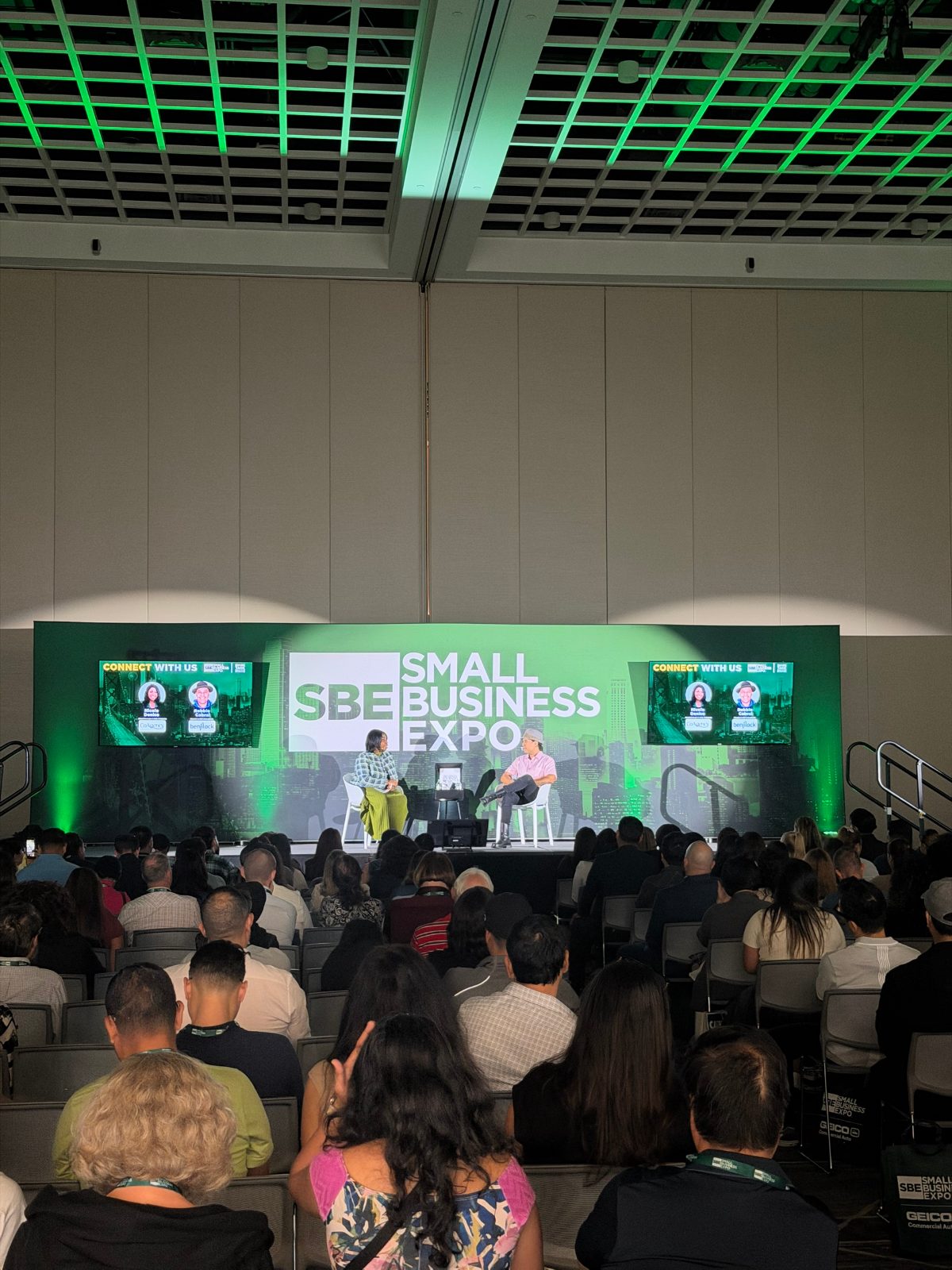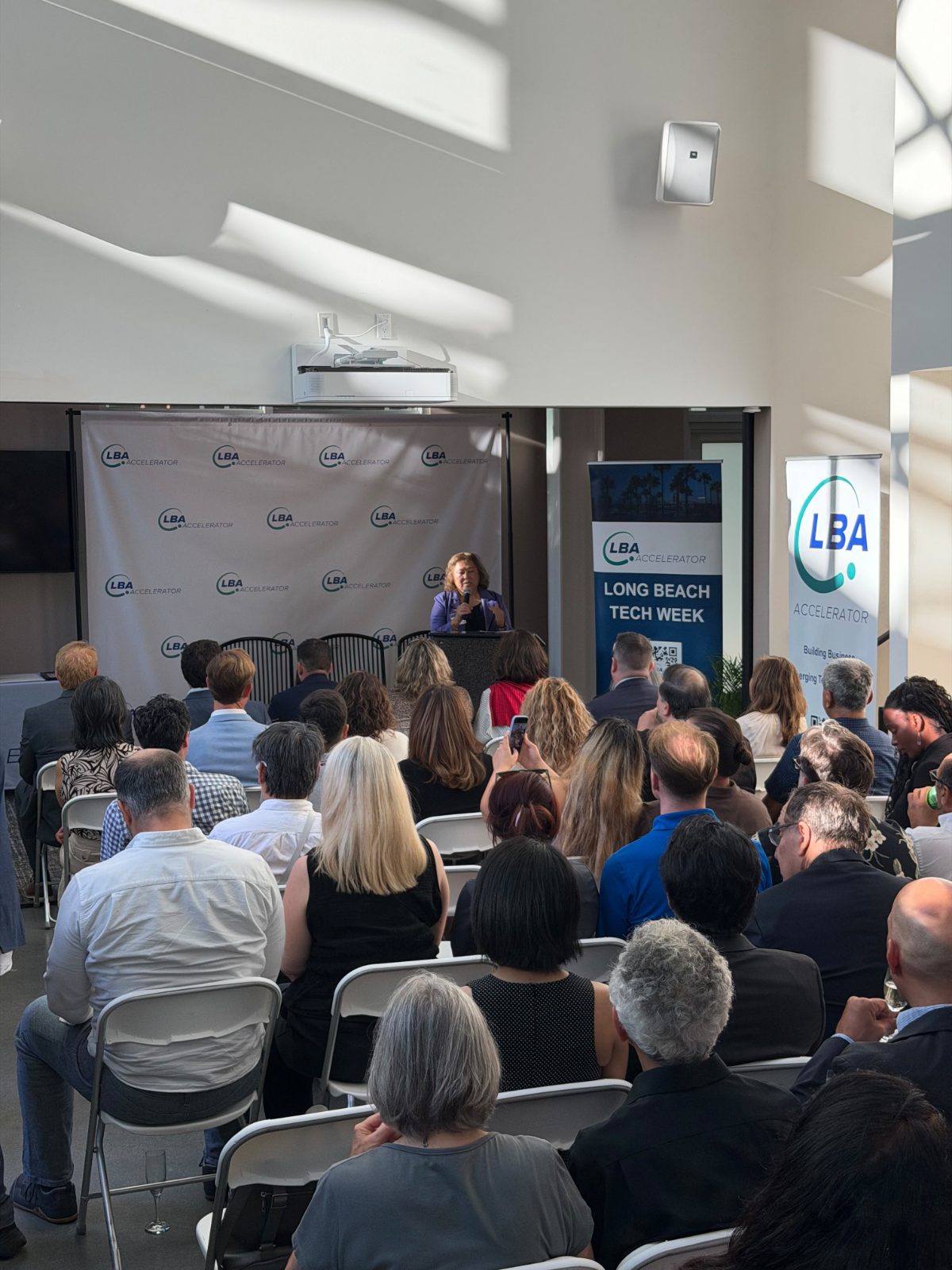
At the end of September I wrote that SF was next. This week it arrived. SF Tech Week, presented by a16z, ran from October 5 to 11, and it is not one conference. It is hundreds of independently hosted events spread across the city: AI labs, venture firms, startups and big tech, each running their own room.
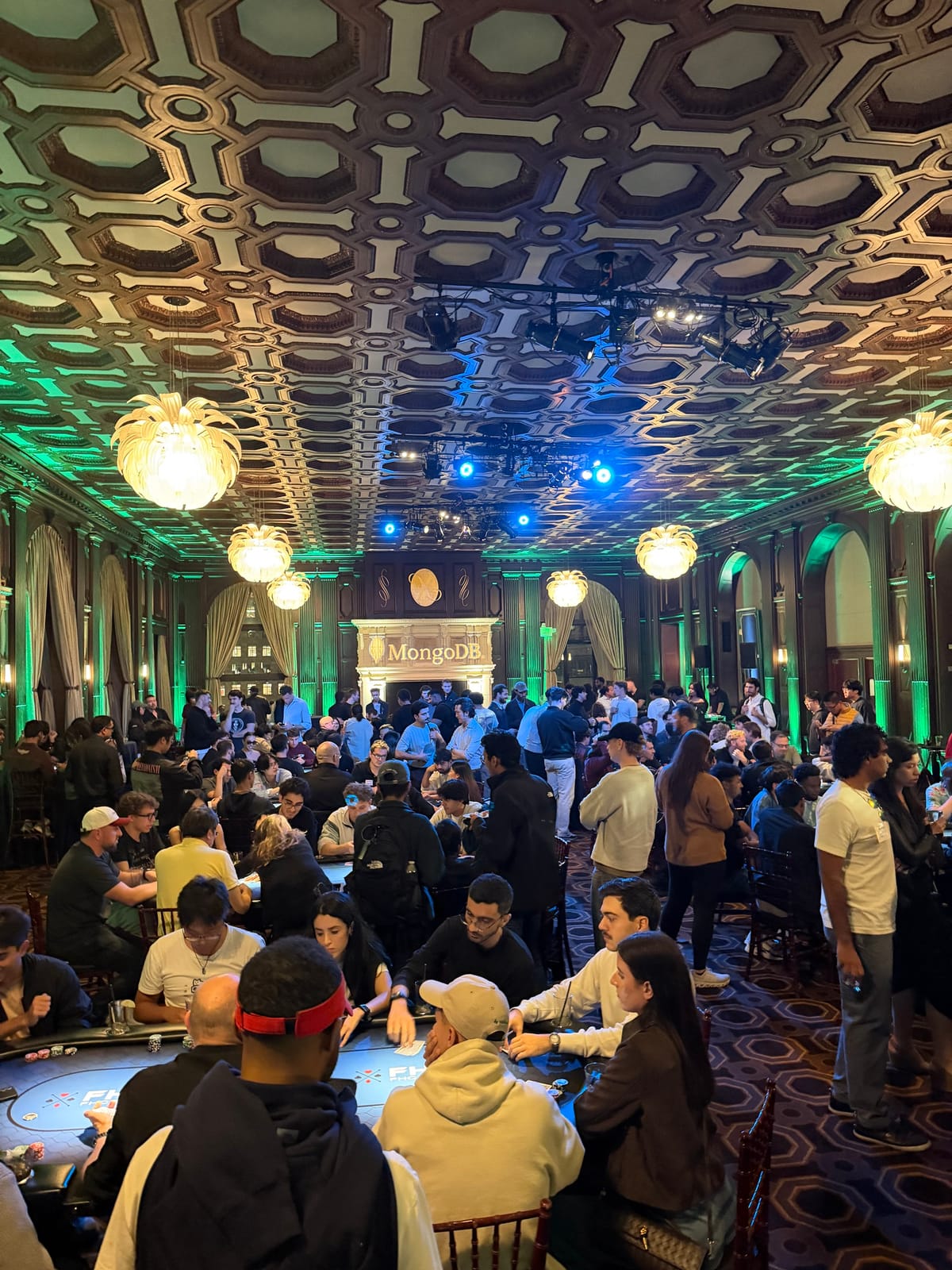
I spent the week moving between them. Google for Startups had its hub, Anthropic opened the Claude Founder House, OpenRouter held its first State of Models, and there were investor panels, sales panels, a corporate partnerships panel at the SVB Experience Center, a Swedish-American Chamber of Commerce gathering, a poker night hosted by MongoDB and even a round of go-karting. Here is what stayed with me.
Building got cheap
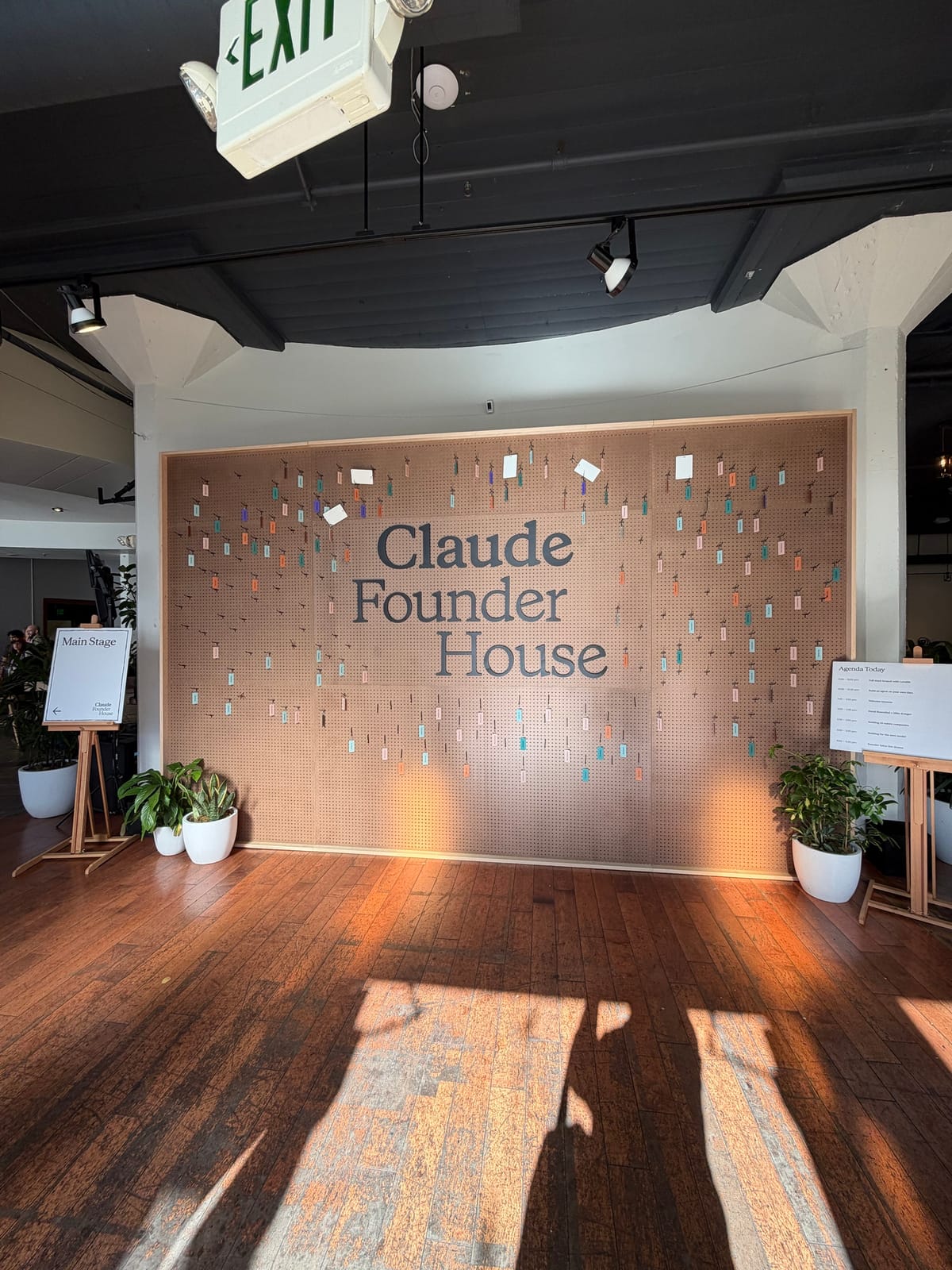
The first thing you notice is how normal it has become to go from idea to working product in days. On one stage the message on screen was simply: type an idea, get a product. At the Claude Founder House, a two-floor warehouse Anthropic ran from October 6 to 8, the agenda was workshops on building agents, office hours with Anthropic’s team and panels on building AI-native companies.
The tools are no longer the bottleneck. A small team can now ship what used to take a funded engineering department.
The model layer moves every week
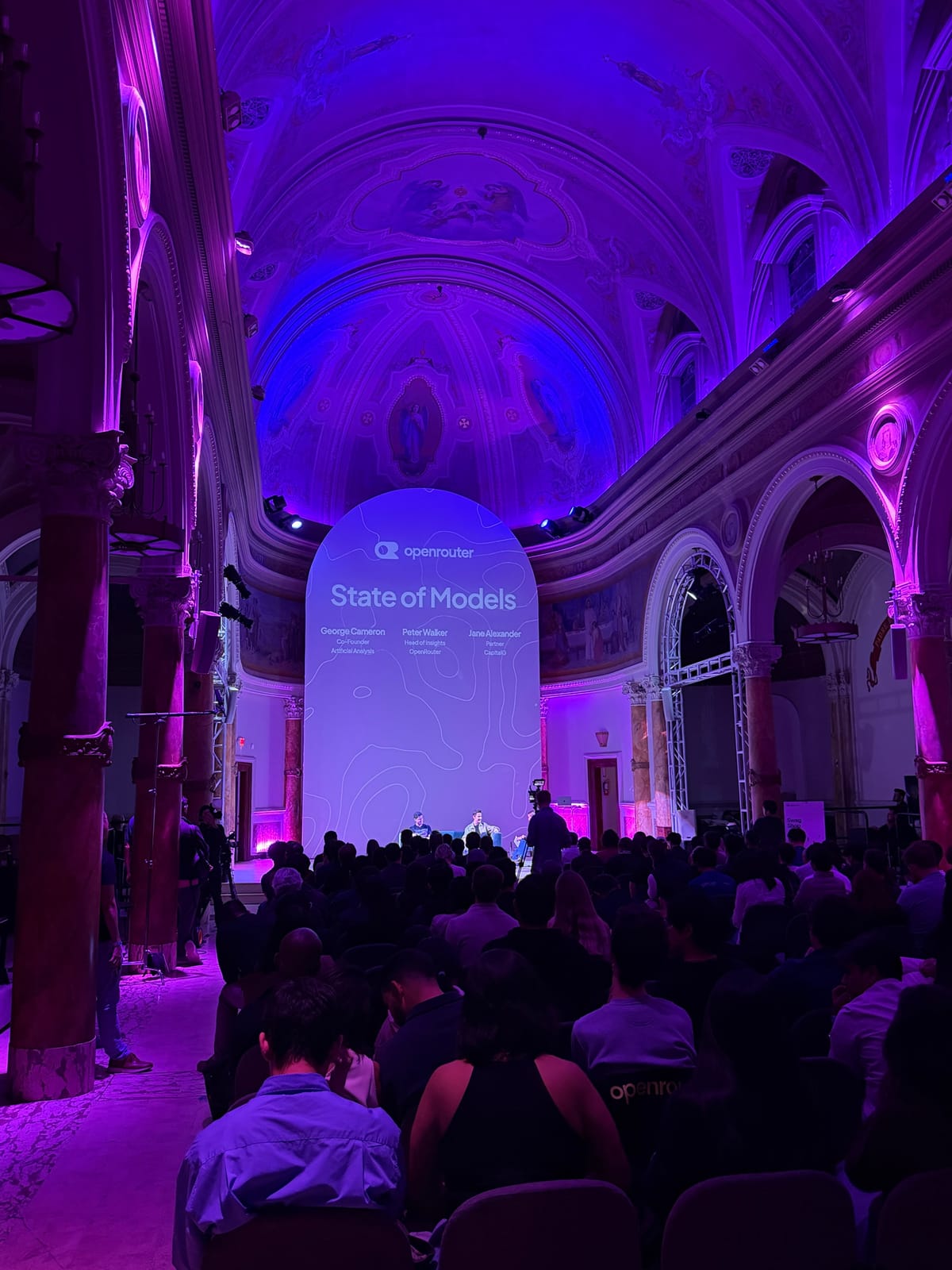
OpenRouter’s first State of Models brought together Peter Walker, OpenRouter’s Head of Insights, George Cameron, co-founder of Artificial Analysis, and Jane Alexander, Partner at CapitalG. OpenRouter sees how developers actually use models at scale, and its own data says more than one new model arrives on the platform every day.
That pace changes how companies should build. Picking a model is no longer a one-time decision. Cost, quality and speed shift every few weeks, and the teams that can switch without rewriting their product will keep getting cheaper and better at the same time.
If a new model shows up every day, your advantage cannot be the model.
Engineering for 10x, not 10%
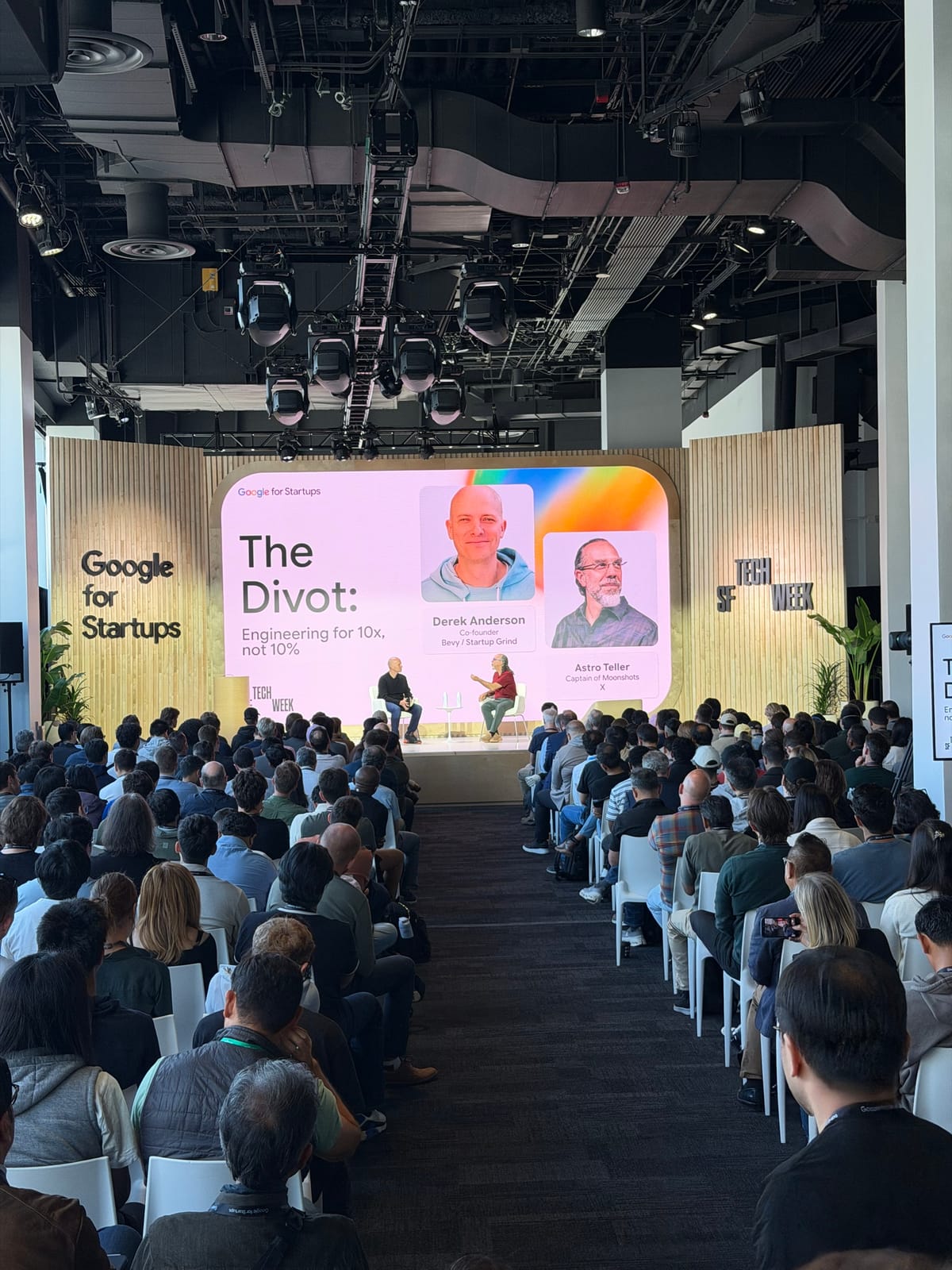
At the Google for Startups hub, Astro Teller, Captain of Moonshots at X, sat down with Derek Andersen of Bevy and Startup Grind for The Divot: Engineering for 10x, not 10%. The framing is a useful filter for any company right now. When building is this cheap, incremental improvements are easy to copy. The bets worth making are the ones that change the economics by an order of magnitude, with risk taken out early and momentum kept through the failures along the way.
Treat corporate partners like investors
One of the most useful sessions was a panel at the SVB Experience Center with people from the startup programs of large tech companies, including Salesforce and Google for Startups. The question was simple: how should a startup work with a company that size?
The answer was to approach a corporate partner the way you would approach an investor. Do the homework, understand what they are trying to achieve, and be clear about why this specific partner matters for your business. A warm introduction from one of their venture partners gets taken seriously, but so does a founder who shows up with a clear view of how they will build on the platform.
The panel also warned against the opposite. Hot startups often sign up for four, five or six corporate co-marketing partnerships at once and then cannot absorb them internally. It is better to concentrate on the one or two partners most aligned with your business.
One example stuck with me. A startup launched a whole set of new integrations on Salesforce in two days. It looked fast, but it rested on two years of building on the platform, since the company was under $1M in ARR. Partnerships compound, like everything else.
A big company is not a sponsor. Treat it like an investor: know what it wants, and know why you want it.
The 30-second test came up too. Be specific about what you are asking for, whether that is credits, a marketplace listing or a technical integration. Most of what these companies are building is already public in product blogs and documentation, so read it first, and ask an AI assistant before you ask a person. And respect their processes, because they exist for a reason: ask for an introduction to a corporate venture arm and you will most likely be sent its public application form.
Underneath all of it, the story still matters. Everyone is building things that sound alike. The pitch people remember is the one that explains the pain, and why the founder cares about solving it.
Distribution is still human
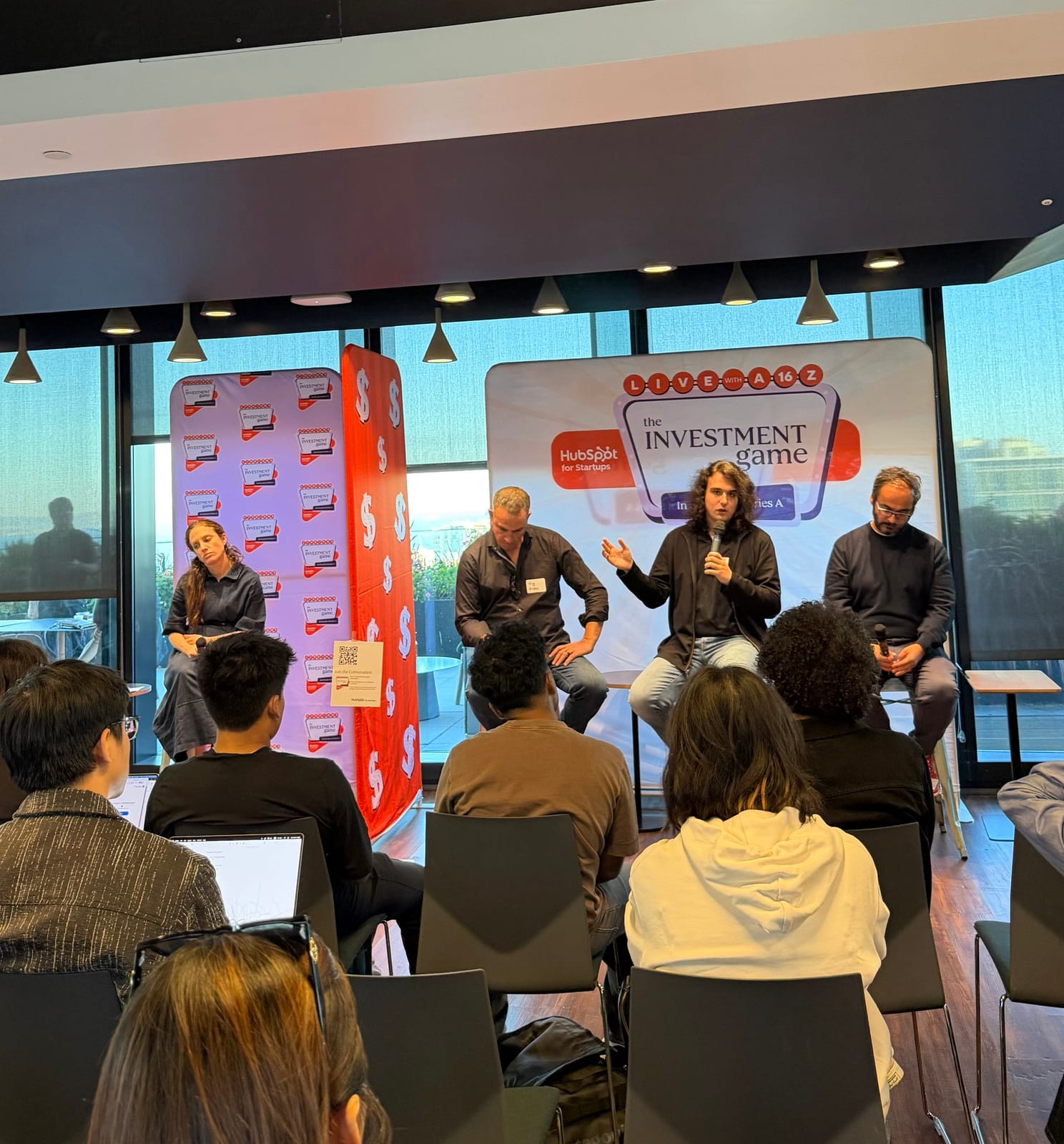
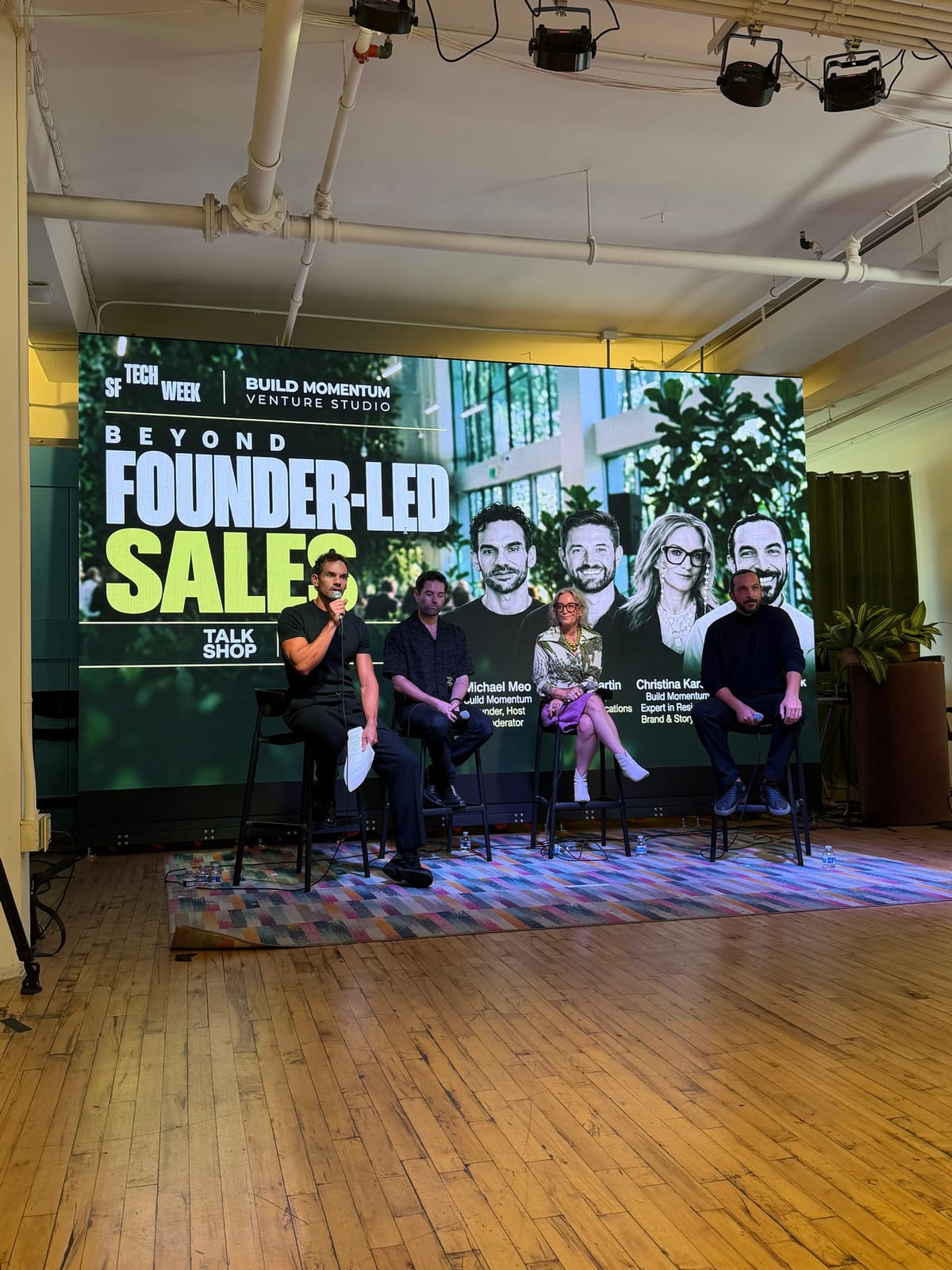
The most practical conversations of the week were not about technology. Build Momentum’s Beyond Founder-Led Sales panel and HubSpot for Startups’ Investment Game, live with a16z on the road to a Series A, both came back to the same point: customers, trust and capital do not scale like code.
Founder-led sales gets a company its first customers. Getting from there to a repeatable engine, with the right people, process and positioning, is where many good products stall. AI makes the product cheaper to build. It does not make the market easier to win.
If I had to turn the week into advice for a founder heading into 2027, it would be this:
- 01Build for model churn. Make the model a setting, not a rewrite.
- 02Spend the engineering time AI saves on distribution, not on more features.
- 03Pick one or two corporate partners and treat them like investors.
- 04Show up in person. The rooms still matter.
San Francisco is still the global room
What also stood out was how international the week was. Founders and operators from Europe, Latin America and Asia were everywhere, and groups like the Swedish-American Chamber of Commerce were hosting their own communities. For companies thinking about the US market, Tech Week is one of the fastest ways to test an idea, meet partners and see where the market is heading in a single week.
And some of the best conversations happened after the sessions ended, at a MongoDB poker table or between go-kart heats. That is still how this city works.
Were you in San Francisco this week? I would like to hear what stood out to you.