
Two intense days at Stripe Sessions, a lot of conversations, and a close that felt like last year: strong, a bit inspirational, but grounded in where things are actually going.
A “slow” singularity
One idea from the conversation between Patrick Collison, John Collison, Nat Friedman and Daniel Gross stuck with me: the notion of a “slow” singularity. Not something explosive, but something already in motion, limited mainly by humans still being in the loop. Once that constraint starts to fade, the pace of change may feel very different from what we are used to.

Stablecoins as a real payment rail
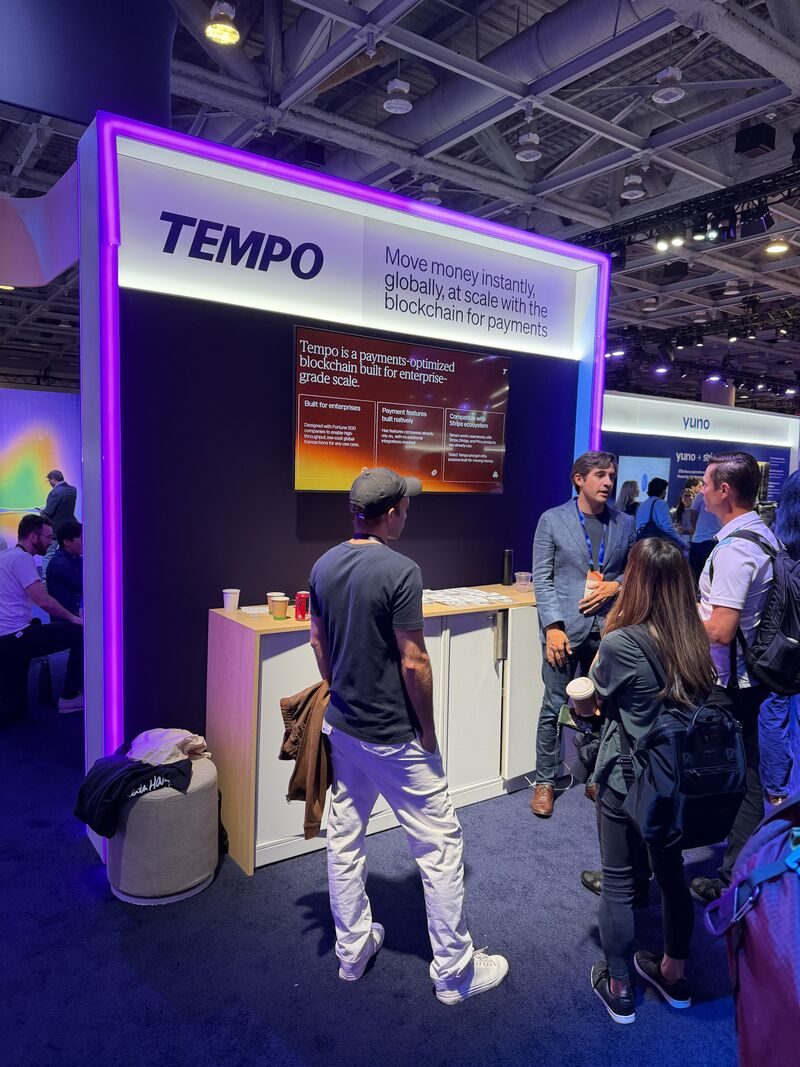
Walking the expo made that idea tangible. You could see these shifts turning into real products, especially in payments.
Stablecoins came up a lot, but not in a speculative way. More as a serious alternative rail for global transactions: faster settlement, fewer intermediaries, and new ways to think about cross-border commerce. Seeing companies like Tempo building directly on this new infrastructure made it clear it is already being implemented.
For anyone working with payment systems or ecommerce, and especially for companies selling across borders into markets like Brazil, that is a big shift. It changes how you think about fees, latency and even how platforms are structured underneath.
Easier to build, harder to operate
At the same time, a lot is happening around security and infrastructure. More tools now assume AI is part of the system by default, not something layered on later.
It’s getting easier to build, but more complex to operate.
More speed and more possibilities, but also more responsibility in how systems are designed, controlled and trusted.
Ecommerce and payments are entering a new phase. Not a sudden disruption, but a steady shift that is already underway. The companies that plan for it now, in their payment stack, their cross-border strategy and their risk controls, will be ahead when it becomes the default.